Diplomatic Dissonance: India Claims Secret Tanker Deal as Iran Issues Public Denial
Conflicting reports emerge over ‘special passage’ for Indian vessels in the Strait of Hormuz following high-level ministerial talks between New Delhi and Tehran.

NEW DELHI / TEHRAN — A fog of diplomatic ambiguity has descended over the world’s most critical energy chokepoint as India and Iran provide starkly different accounts of a supposed “safe passage” agreement for oil tankers.
On Thursday, reports surfaced from high-level sources within the Indian government suggesting that Tehran had provided informal assurances for the security of Indian-flagged vessels transiting the Strait of Hormuz. These claims follow a series of urgent diplomatic interventions, including a high-stakes phone call between Indian External Affairs Minister S. Jaishankar and Iranian Foreign Minister Abbas Araghchi on March 10.
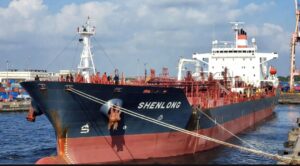
The reported deal appeared to manifest in real-time as the Suezmax tanker Shenlong, carrying Saudi crude destined for Mumbai, successfully navigated the Strait on Thursday morning. Maritime tracking data also showed at least two other Indian tankers, the Pushpak and Parimal, proceeding through the waterway while several Western-linked vessels remained at anchor in the Gulf of Oman.
Tehran’s Strategic Denial
However, the narrative of a “special corridor” was swiftly challenged by Iranian state-affiliated media. Sources close to the Islamic Revolutionary Guard Corps (IRGC) dismissed the notion of a bilateral deal as “media speculation” and “psychological warfare.”
“There is no specialized passage for any specific nationality,” an Iranian military spokesperson stated via the IRIB broadcaster. “The Strait of Hormuz remains under strict surveillance. Any vessel entering these waters must adhere to the established security protocols of the Islamic Republic.”
Shadow Diplomacy and Strategic Autonomy
Regional analysts suggest the contradiction is a calculated move by both capitals. India, which relies on the Persian Gulf for nearly 40% of its crude oil imports, cannot afford a total blockade. Conversely, Iran seeks to maintain its leverage as a regional “gatekeeper” while rewarding India—a long-term economic partner that has consistently championed “strategic autonomy” and avoided joining U.S.-led maritime coalitions.
“This is classic shadow diplomacy,” says Dr. Arvin Ghosh, a maritime security analyst. “India isn’t ‘begging’ for passage; it is leveraging its investment in Iran’s Chabahar Port and its neutral stance. Iran denies the deal publicly to maintain its ‘tough’ image against the West, while privately ensuring its partners aren’t collateral damage.”
A Precarious Path Forward
For the hundreds of Indian sailors currently navigating the high-risk zone, the conflicting messages create a climate of “strategic ambiguity.” While New Delhi has not issued a formal statement on the deal to avoid further complicating Tehran’s public position, the Indian Navy’s Information Fusion Centre (IFC-IOR) is reportedly monitoring the situation with increased vigilance.
As global energy markets react to the instability, the coming days will serve as a litmus test for whether these “informal assurances” hold under the pressure of an escalating regional conflict.