Louvre Leadership Exit Raises Deeper Questions After Jewel Theft
Why the director’s departure reflects broader concerns about security, accountability, and state oversight at France’s most famous museum

The resignation of the Louvre Museum’s director has drawn renewed attention to the governance and security of one of the world’s most prominent cultural institutions, months after a high value jewel theft exposed vulnerabilities that officials had initially sought to contain.
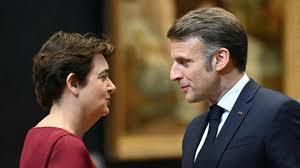
French authorities confirmed this week that Laurence des Cars has stepped down from her position, with President Emmanuel Macron accepting her resignation and describing the decision as a responsible act at a sensitive moment for the museum. The move follows prolonged internal and political discussions after the theft of historic jewels from the Louvre last year, an incident that quietly unsettled confidence in the museum’s safeguards.
According to officials familiar with the process, des Cars had previously offered to leave her post shortly after the theft became public. That proposal was not accepted at the time while investigators examined how the incident occurred and whether leadership failures could be established. Her continued role was viewed as necessary to preserve institutional continuity during the inquiry.
The theft itself raised difficult questions. Despite the Louvre’s global stature and extensive surveillance systems, the operation was carried out quickly and without immediate detection. Internal assessments reportedly reviewed staffing levels, monitoring practices, and emergency response coordination, though detailed conclusions have not been released publicly.
Cultural policy analysts suggest the resignation reflects political accountability rather than a finding of personal wrongdoing. The Louvre functions under state supervision, and its leadership is closely linked to national cultural policy. In that context, leadership change can act as a public signal that weaknesses are being addressed even when criminal responsibility lies elsewhere.
Beyond the jewel theft, the museum has faced mounting pressure related to aging infrastructure, labor concerns, and the challenge of balancing mass tourism with the protection of priceless artifacts. Observers argue that the incident amplified longstanding structural issues rather than creating them.
The government has not yet named a successor, but officials say the next director will be expected to restore public trust and advance reforms focused on security and operational transparency. For France, the episode highlights how cultural prestige does not shield institutions from scrutiny when systemic shortcomings come to light.