Iran’s Leader Mojtaba Khamenei Warns of Retaliation, Says Tehran Will Seek Compensation From “Enemies”
In his first major message since assuming leadership, Khamenei signals continued military pressure, possible seizure of assets, and strategic use of the Strait of Hormuz

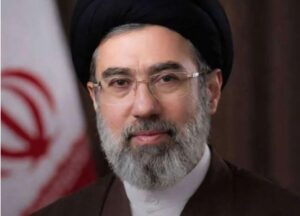
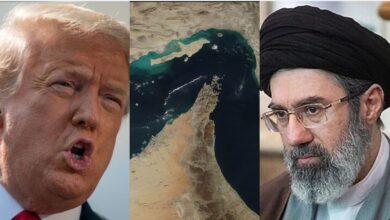
Iran’s Supreme Leader, Mojtaba Khamenei, has issued a strong warning to Iran’s adversaries, saying Tehran intends to seek compensation for damages caused during the ongoing conflict and could retaliate economically or militarily if those demands are not met.
In a statement broadcast on Iranian state media, Khamenei said Iran would pursue reparations from what he described as “the enemy,” a term widely interpreted to refer primarily to the United States and Israel.
He stated that if those responsible refuse to compensate Iran for the destruction caused during the conflict, Tehran may attempt to recover equivalent losses through other means, including the seizure of assets linked to its adversaries. According to the statement, if such measures prove impossible, Iran could also destroy assets belonging to those parties in order to match the scale of the damage suffered.
Warning of Continued Military Pressure
Khamenei also indicated that Iran would maintain its military response to what it describes as acts of aggression against the country. He warned that attacks against Iranian territory would continue to be met with retaliatory strikes against military installations and strategic targets associated with those operations.
The remarks suggested that Iran views its actions as defensive, framing them as a response to external attacks rather than an effort to widen the conflict.
Iranian officials have repeatedly argued that their military operations are intended to deter further aggression and protect national sovereignty, although analysts warn that the escalating exchanges risk drawing more countries into the confrontation.
Strategic Role of the Strait of Hormuz
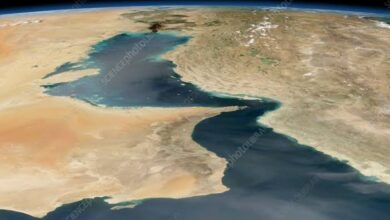
Another key part of Khamenei’s message focused on the strategic importance of the Strait of Hormuz, one of the world’s most critical oil shipping routes.
He suggested that control over the waterway could serve as leverage against Iran’s opponents, indicating that pressure on global energy supply routes may become part of Tehran’s broader strategy.
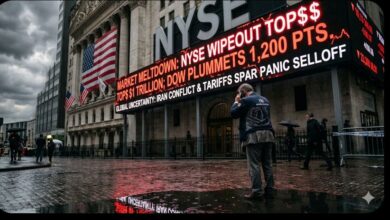
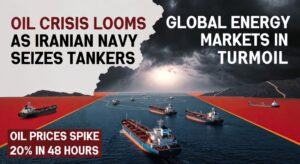
The strait carries a significant portion of the world’s seaborne oil exports, meaning any disruption could have far-reaching economic consequences. In recent weeks, tensions surrounding the corridor have raised concerns in global energy markets, with analysts warning that prolonged instability could disrupt supply and push oil prices higher.
Leadership During a Period of Conflict
Khamenei’s statement comes during a pivotal moment for Iran’s leadership and the wider region. He assumed the role of Supreme Leader following the death of his father, Ayatollah Ali Khamenei, earlier in the conflict.
The leadership transition has placed Mojtaba Khamenei at the center of Iran’s political and military strategy during one of the most volatile periods in the country’s recent history.
While the full scope of Iran’s next moves remains uncertain, the tone of the new leader’s remarks suggests that Tehran is preparing for a prolonged confrontation that could combine military action with economic and strategic pressure on its adversaries.
Analysts say the coming weeks could prove decisive, as regional powers and international actors attempt to prevent the conflict from expanding further while diplomatic efforts to reduce tensions continue.