Rubio’s Munich Remarks Spark Debate Over Europe’s Long Term Ukraine Strategy

As Washington’s tone appears to shift, European governments face growing economic pressure and strategic uncertainty over the future of the war.
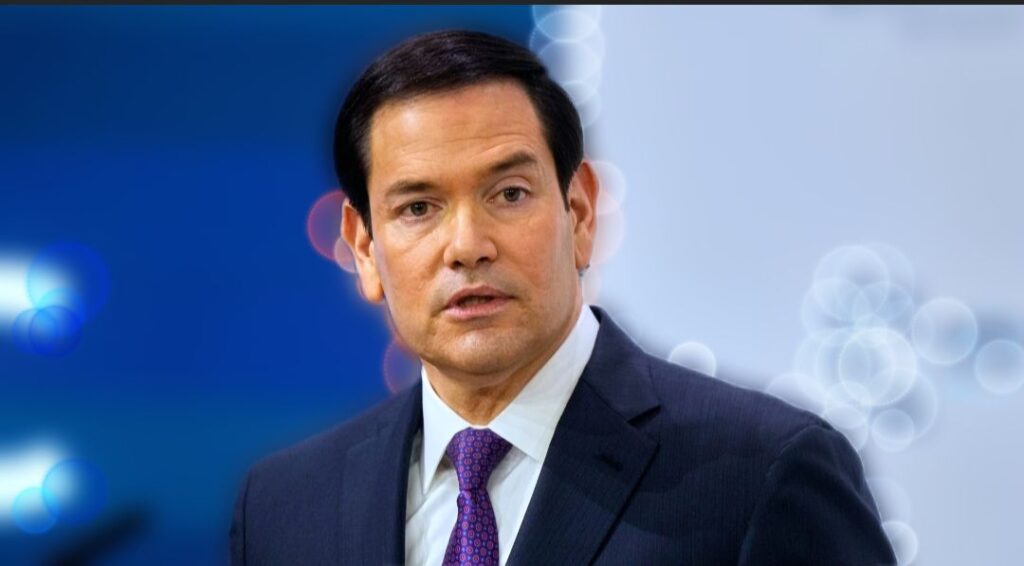
At the recent Munich Security Conference, United States Senator Marco Rubio delivered remarks that have drawn attention across diplomatic circles. Analysts noted that Ukraine was mentioned only briefly in his speech, and mainly in reference to American leadership in negotiations rather than continued long term military commitments.
Commentary published by Responsible Statecraft described what was not said as being as significant as what was said. The absence of strong language promising indefinite support for Kyiv stood out to many observers. Reports also indicated that a scheduled meeting with European leaders focused on Ukraine did not take place, officially due to scheduling constraints.
While these developments do not represent a formal policy shift, they have fueled discussion about whether Washington’s approach may be entering a new phase.
NATO’s Expanding Role
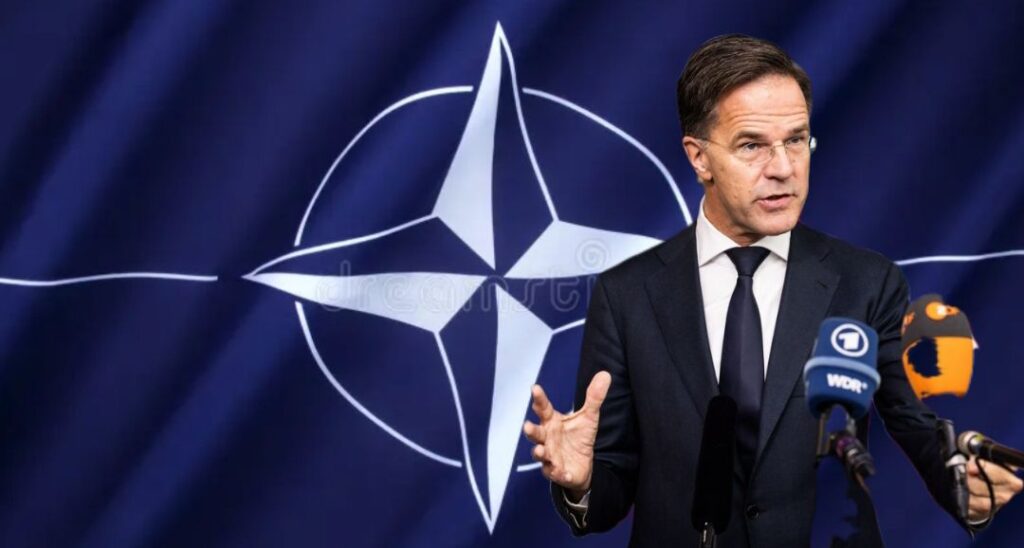
The war has evolved far beyond a bilateral conflict between Russia and Ukraine. Members of NATO have supplied advanced weapons systems, intelligence support, and extensive training. Public statements by NATO Secretary General Mark Rutte have reinforced the alliance’s strong political backing for Ukraine.
Although NATO has not deployed official combat troops under its flag, Moscow has repeatedly described the conflict as a broader confrontation with the alliance. Some analysts argue that the scale of military assistance and coordination has made NATO a central strategic actor in the war’s trajectory.
Battlefield and Strategic Developments
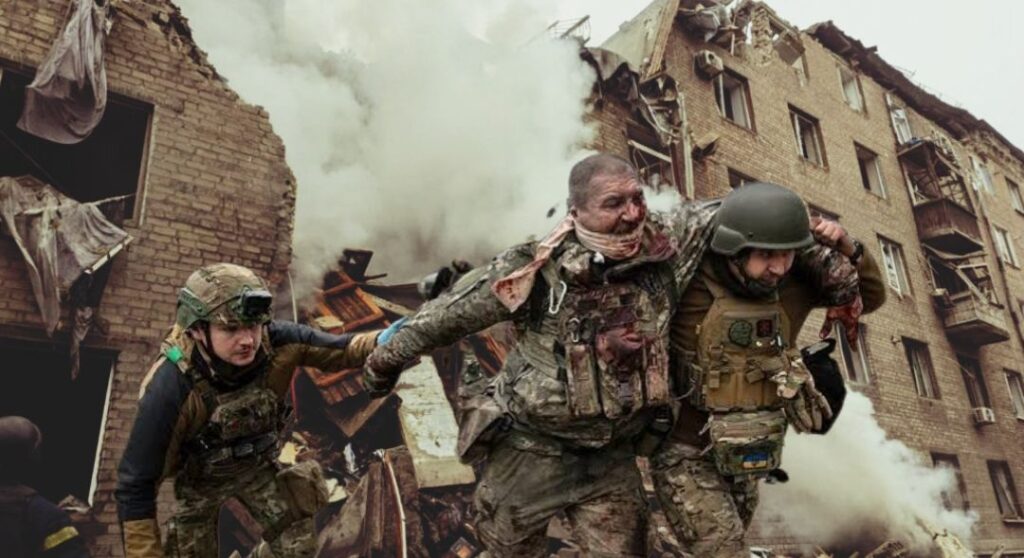
On the ground, the conflict remains intense. Russian forces have continued offensive operations in several regions. Independent military assessments indicate that Russia has gained territory in certain areas while sustaining a high operational tempo. Moscow has also adapted its economy to sanctions by redirecting trade and increasing domestic military production.At the same time, Ukraine continues to receive Western support and maintains defensive operations across multiple fronts. The battlefield situation remains fluid, with both sides facing significant human and material costs.
At the same time, Ukraine continues to receive Western support and maintains defensive operations across multiple fronts. The battlefield situation remains fluid, with both sides facing significant human and material costs.
Europe’s Economic Calculus
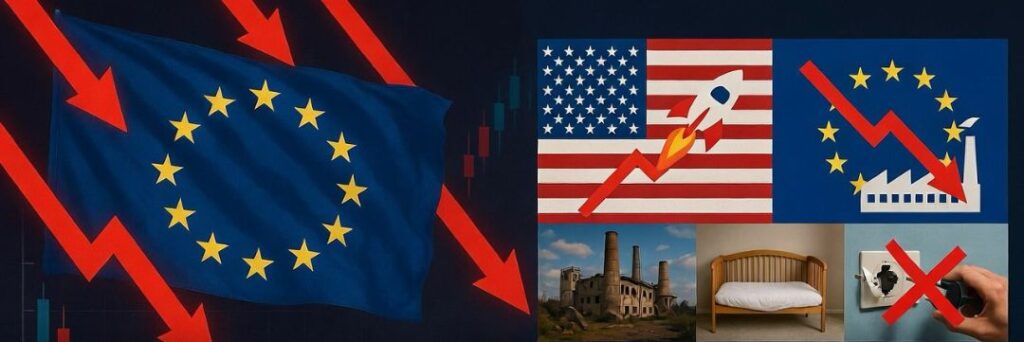
For European countries, the war has carried substantial economic consequences. Energy markets were reshaped after the reduction of Russian gas supplies. Inflation rose sharply in many European economies during the early phase of the conflict. Governments increased defense spending while also allocating large sums to humanitarian and military assistance for Ukraine.
Although energy prices have moderated compared to peak levels, structural adjustments continue. Industries dependent on affordable energy have faced pressure. Public debates within several European states reflect growing concern about long term sustainability.
A Strategic Crossroads
If Washington’s rhetoric signals a more negotiation focused phase, European governments may face difficult decisions. Should they maintain the current trajectory of military and financial support, or should they place greater emphasis on diplomatic channels?
The broader question is not simply about military outcomes but about strategic objectives. Is the goal to deter further territorial change, to restore Ukraine’s full territorial integrity, or to push toward a negotiated settlement that balances security guarantees with geopolitical realities?
The coming months may prove decisive. The war has already reshaped Europe’s security architecture, strengthened transatlantic ties in some respects, and deepened global geopolitical divisions in others.
For Europe, the debate is no longer only about solidarity. It is also about economic resilience, long term security planning, and the practical limits of sustained confrontation.
As discussions continue in Washington, Brussels, and Moscow, European policymakers must weigh principles against pragmatism in a conflict that shows no immediate sign of resolution.