Tensions Rise in Strait of Hormuz as Reports Suggest Paid Passage for Oil Tankers
Emerging claims of multimillion-dollar payments for safe transit highlight growing uncertainty in one of the world’s most critical energy routes

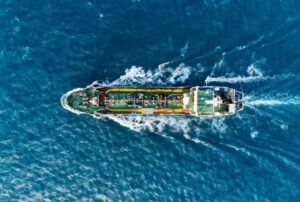 Growing uncertainty around the Strait of Hormuz is raising fresh concerns in global energy markets, following reports that some oil tanker operators may be securing safe passage through informal arrangements.
Shipping and industry sources cited by international media suggest that at least one tanker operator may have paid approximately $2 million to transit the strategic waterway without disruption. However, no official confirmation of such payments has been issued by authorities in the region.
The Strait of Hormuz is one of the world’s most critical maritime chokepoints, handling a significant share of global oil exports. Any perceived restriction, whether formal or informal, has the potential to impact energy prices, shipping routes, and insurance costs worldwide.
Recent commentary from Iranian officials has indicated that new measures affecting transit through the strait could be under consideration. While details remain unclear, analysts say this may involve tighter monitoring of vessels or selective access, rather than a formally established fee system at this stage.
The lack of transparency surrounding these developments has contributed to volatility in global energy markets, as traders and governments assess the risks of potential disruptions. Industry observers warn that even unconfirmed reports of paid passage arrangements could influence shipping behavior and raise operational costs.
International stakeholders continue to call for stability and clarity in the region, emphasizing the importance of maintaining open and secure maritime routes. For now, much of the situation remains fluid, with further developments likely to shape the outlook for global energy supply in the coming weeks.