U.S. Signals Tactical Shift as Russian Oil Tanker Approaches Havana to Blunt Energy Collapse
The arrival of the Anatoly Kolodkin marks a high-stakes breach of the 2026 blockade, offering a 12-day lifeline to Cuba’s failing electrical grid.

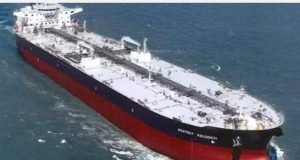
HAVANA — In what appears to be a calculated easing of the “maximum pressure” campaign on the Caribbean, a sanctioned Russian oil tanker is currently nearing Cuban territorial waters, signaling the first major breach of the U.S.-led maritime blockade since its inception in early 2026. According to maritime tracking data from Kpler and reports first surfaced by The New York Times, the vessel Anatoly Kolodkin—a Russian-flagged tanker owned by the state-run giant Sovcomflot—is carrying approximately 730,000 barrels of crude oil and is expected to dock at the Matanzas supertanker terminal by Monday. This arrival marks a potential turning point in a high-stakes standoff that has seen the U.S. Navy intercept multiple shipments over the last three months.
The timing of this delivery is critical for the island’s survival, as Cuba has been gripped by a catastrophic energy crisis that has left millions in total darkness for up to 18 hours a day. Following the collapse of the Antonio Guiteras power plant and a near-total depletion of fuel reserves, the Cuban government has been forced to shutter schools, industries, and non-essential public services. While the U.S. administration intensified the blockade earlier this year following the regional upheaval in Venezuela, the decision to allow the Anatoly Kolodkin to proceed suggests that Washington may be prioritizing the prevention of a total humanitarian collapse—and the subsequent mass migration crisis it would trigger—over the total enforcement of its sanctions regime.
From a geopolitical perspective, the journey of the Anatoly Kolodkin is a masterclass in brinkmanship. The vessel was reportedly monitored by Western navies as it transited the Atlantic, yet no move was made to redirect it as it entered the Florida Straits. Analysts suggest this “strategic silence” from the U.S. Southern Command reflects a complex balancing act: maintaining the appearance of a strict embargo while using this shipment as a “pressure release valve” to stabilize the island’s failing infrastructure. If successfully unloaded, the cargo would provide enough fuel to keep the lights on for roughly twelve days, a vital but ultimately temporary reprieve for a nation on the brink of structural failure.
However, this development does not necessarily signal a permanent end to the 2026 blockade. Just last week, the U.S. Treasury Department reiterated that Cuba remains excluded from recent sanctions reliefs granted to other Russian energy exports, suggesting that this particular shipment may be a one-time exception rather than a change in long-term policy. For Moscow, the successful delivery would be a symbolic victory, proving its ability to project influence in the Western Hemisphere despite heavy international pressure. For Havana, the sight of the Anatoly Kolodkin on the horizon is a rare glimmer of hope in a year defined by scarcity, yet it leaves the fundamental question of the island’s long-term energy security entirely unanswered.