Washington Deepens Health Diplomacy in Central Africa with Landmark Kinshasa Accord
Five-year medical infrastructure commitment signals renewed US engagement amid shifting global health partnerships

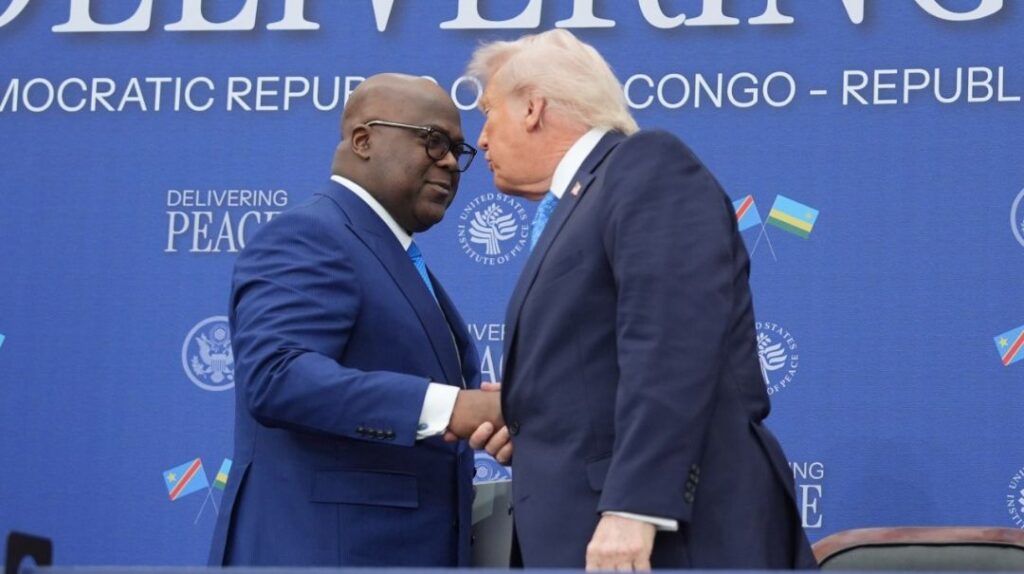
Kinshasa, February 2026 — The United States has formalized its most substantial health sector investment in Central Africa to date, establishing a half-decade collaboration with the Democratic Republic of Congo designed to fortify medical systems that serve over 100 million people. The arrangement, finalized late Wednesday, allocates $1.2 billion across five operational years, representing a calculated expansion of American soft power through clinical infrastructure rather than traditional development mechanisms.
Financial Architecture and Local Ownership
Unlike conventional foreign assistance models, this framework distributes fiscal responsibility between donor and host nations. Washington has pledged 900 million in direct governmental support, while Kinshasa commits to gradually escalating its domestic health expenditure by 300 million throughout the agreement term. This cost-sharing approach reflects growing emphasis on sustainable capacity building rather than perpetual dependency cycles that have characterized earlier international health initiatives on the continent.
The financial structuring addresses a persistent criticism of global health funding: that external support often evaporates without leaving functional local systems. By mandating proportional Congolese investment, negotiators have attempted to ensure that laboratory networks, pharmaceutical supply chains, and clinical training programs maintain operational viability beyond the 2031 conclusion date.
Clinical Priorities and Systemic Gaps
The partnership concentrates resources on disease burdens that continue to constrain economic development across Central Africa. HIV/AIDS programming will receive particular emphasis, building upon existing therapeutic frameworks while expanding prevention access in rural provinces where diagnostic penetration remains limited. Malaria intervention strategies will incorporate next-generation vector control technologies, acknowledging the adaptive resistance that has reduced efficacy of previous chemical-based approaches.
Tuberculosis detection and treatment protocols will undergo substantial revision, addressing the persistent gap between infection rates and confirmed case reporting that has plagued regional health statistics. Maternal mortality reduction efforts will integrate emergency obstetric services with broader primary care strengthening, recognizing that childbirth complications remain a leading cause of female mortality in eastern provinces.
The agreement additionally commits to maintaining polio-free certification status—a significant concern given the virus’s persistence in neighboring regions—and developing rapid response capabilities for emerging infectious threats. This latter provision carries particular weight given the DRC’s experience with Ebola outbreaks and the global attention such events command.
Regional Context and Strategic Positioning
The Kinshasa announcement arrives within a concentrated diplomatic push spanning multiple African capitals. Just forty-eight hours earlier, American representatives concluded a $147 million health infrastructure compact with Burkina Faso’s transitional authorities, demonstrating Washington’s willingness to engage governments regardless of their constitutional status when strategic health interests align.
These successive agreements illustrate a recalibrated approach to health diplomacy that prioritizes bilateral arrangements over multilateral consortiums. The strategy enables customized programming responsive to specific national epidemiological profiles while allowing American negotiators to address proprietary concerns regarding data governance and biological sample management that have complicated previous collaborative efforts.
Sovereignty Tensions and Negotiation Fractures
Not all prospective partnerships have survived preliminary discussions. Zimbabwean authorities withdrew from $367 million negotiations on February 24, with Harare officials publicly questioning provisions they characterized as creating “unequal exchange dynamics.” The Southern African nation’s objections centered on requirements for sharing pathogen genetic sequences and granting external researchers access to biological materials—conditions that Zimbabwean legal advisors interpreted as compromising national sovereignty over indigenous microbial resources.
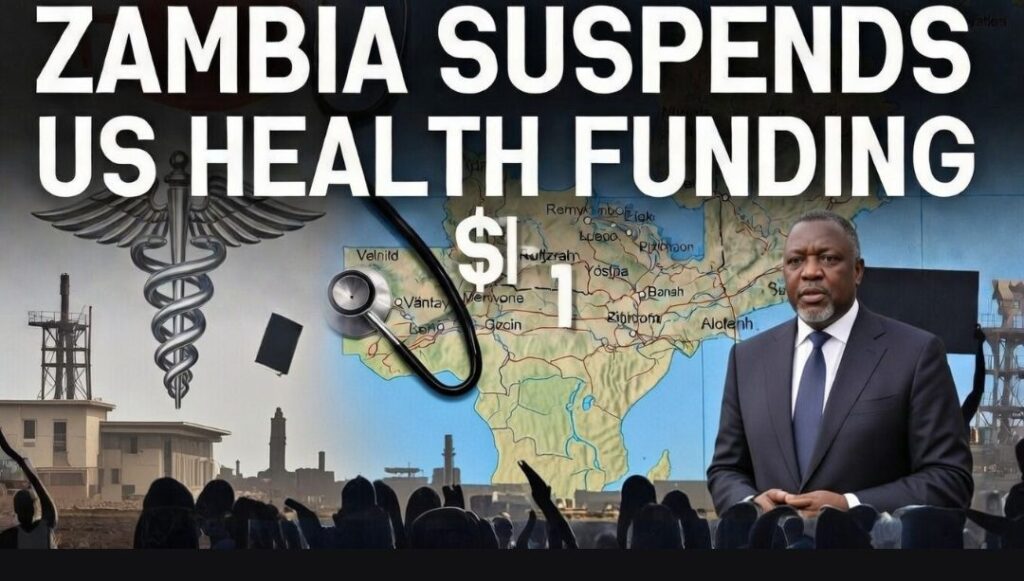
Zambian negotiators have similarly requested substantial revisions to their proposed memorandum, reducing the financial envelope from 1.5 billion to approximately 1 billion while demanding removal of provisions linking health assistance to mineral sector access. Lusaka’s resistance reflects broader continental anxiety regarding the commodification of biological data and the potential for health partnerships to serve as entry points for resource extraction interests.
These diplomatic complications highlight the delicate equilibrium American health diplomacy must maintain between advancing scientific collaboration and respecting governmental autonomy. The DRC agreement’s apparent success in navigating these tensions—at least through the initial signing phase—may provide template elements for subsequent negotiations with skeptical partners.
Implementation Challenges Ahead
Translating financial commitments into measurable health outcomes will require overcoming substantial operational obstacles. The DRC’s vast territorial expanse, limited transportation infrastructure, and ongoing security instabilities in eastern provinces present logistical complications that funding alone cannot resolve. Previous international health investments in the country have struggled with last-mile delivery, where medications and diagnostic equipment accumulate in provincial warehouses rather than reaching peripheral health centers.
Workforce limitations represent another critical constraint. The partnership includes provisions for training additional clinical personnel, yet medical education requires years to produce practicing professionals. Interim solutions involving community health workers and task-shifting protocols will likely prove essential for immediate service expansion.
Corruption monitoring mechanisms will similarly determine ultimate effectiveness. The agreement reportedly incorporates independent expenditure tracking and civil society oversight components, though historical patterns suggest that implementation fidelity often diverges from contractual stipulations in complex governance environments.
Global Health Architecture Implications
This bilateral approach contrasts with multilateral frameworks that dominated international health financing during the previous decade. The shift reflects both practical frustrations with consortium decision-making speeds and strategic calculations regarding influence competition with alternative global powers increasingly active in African health sectors.
Whether this model proves more effective than previous collective approaches will depend on outcomes measurable only years hence. For Congolese communities awaiting improved clinical services, however, the immediate significance lies less in diplomatic strategy than in whether the promised laboratory equipment, pharmaceutical supplies, and trained personnel materialize at rural health posts where need concentrates most acutely.
The agreement takes formal effect January 1, 2026, with initial programming anticipated to emphasize rapid diagnostic capacity expansion and emergency response system strengthening before transitioning to longer-term infrastructure development in subsequent implementation phases.
This analysis synthesizes verified diplomatic communications and official government disclosures. Health policy developments remain dynamic; readers should consult current official sources for subsequent updates.