White House Denies $6 Billion Asset Release as JD Vance Opens Tense Islamabad Peace Talks
Washington shuts down Iranian claims of a pre-negotiation financial deal, underscoring deep mistrust as delegations gather in Pakistan to end regional conflict.

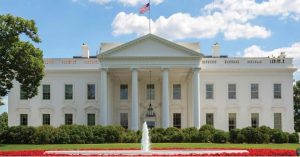
The White House on Saturday issued a firm denial regarding reports that the United States has reached an agreement to unfreeze Iranian assets, tempering expectations just as high-stakes peace negotiations begin in Islamabad. The official clarification followed claims from Tehran suggesting that a $6 billion financial concession had been made to facilitate diplomatic progress.
Earlier in the day, a senior Iranian official told Reuters that Washington had agreed to release frozen Iranian funds currently held in Qatar and other international banks. The source, speaking on the condition of anonymity, characterized the move as a vital gesture of “seriousness” from the U.S. side and claimed the release was directly linked to ensuring safe maritime passage through the Strait of Hormuz—a primary friction point in the current regional crisis.
However, the administration moved quickly to shut down the narrative. A White House official, addressing the media shortly after the Iranian claims surfaced, stated unequivocally that no such agreement has been reached. The denial underscores the fragile nature of the current diplomatic environment, where both sides are battling for narrative control before formal sessions even begin.
The conflicting reports arrive at a pivotal moment. U.S. Vice President JD Vance landed in the Pakistani capital on Saturday morning, leading a high-profile delegation that includes special envoy Steve Witkoff and Jared Kushner. They are meeting with a veteran Iranian team, headed by Foreign Minister Abbas Araghchi and Parliament Speaker Mohammad Bagher Qalibaf, in an attempt to stabilize a two-week ceasefire that followed the most intense direct conflict between the U.S., Israel, and Iran in decades.
“We are entering these negotiations with a sense of complete mistrust toward the other party,” Foreign Minister Araghchi told state media upon his arrival, signaling that the road to a formal peace deal remains fraught with obstacles.
The unfreezing of assets has long been a central demand for Tehran. The $6 billion in question has a complex history; originally stemming from oil sales to South Korea, the funds were transferred to Qatari accounts as part of a 2023 prisoner swap. They were re-frozen following the October 7 attacks on Israel and have remained a point of intense contention ever since. For the United States, these funds represent significant geopolitical leverage in a wider negotiation that includes Iran’s nuclear program and the security of global energy shipping lanes.
Before departing for Pakistan, Vice President Vance warned that the U.S. would not be “played” during the talks. “If they’re going to try to play us, then they’re going to find this negotiating team is not that receptive,” Vance told reporters, while maintaining that the U.S. is willing to negotiate in good faith if the terms are met.
The talks in Islamabad, facilitated by Pakistani Prime Minister Shehbaz Sharif, mark a significant shift from previous indirect diplomatic formats. While the presence of senior officials on both sides suggests a desire for a breakthrough, the immediate clash over the status of Iranian assets highlights the deep-seated skepticism that continues to define the relationship between Washington and Tehran. As the two delegations settle in for a weekend of intense dialogue, the international community remains on edge, watching for any sign that this temporary ceasefire can be transformed into a lasting regional stability.