Zambia Halts Billion-Dollar US Health Partnership Over Sovereignty Concerns
Copper-rich southern African nation pushes back against conditional aid package linking public health investment to mining sector access

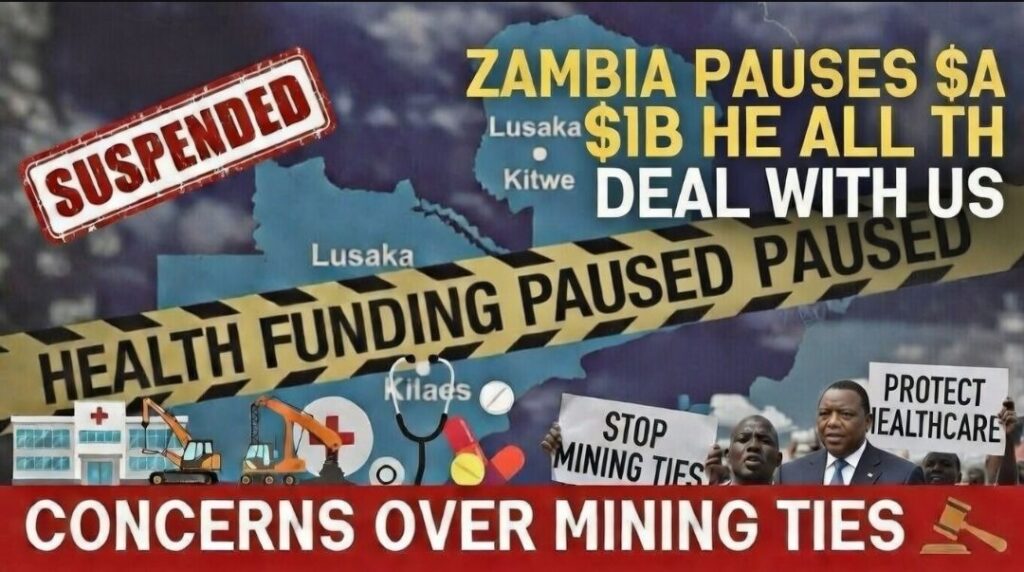
Lusaka, Zambia — In a move that signals shifting attitudes toward foreign assistance across the African continent, Zambian authorities have suspended negotiations over a substantial American health funding package after uncovering provisions that authorities say infringe upon national decision-making autonomy.
The suspended agreement, which had been under discussion for several months, would have channeled over one billion dollars from United States government sources into Zambia’s healthcare infrastructure over a five-year implementation period. The funding was earmarked for communicable disease management, maternal wellness programs, and emergency outbreak preparedness capabilities.
However, examination of contractual documentation revealed structural requirements that Zambian health ministry officials found problematic. Among these was a stipulation that financial disbursement could be discontinued if bilateral negotiations concerning extractive industry collaboration failed to conclude by early April.
Financial Burden-Sharing Requirements
The proposed arrangement demanded significant domestic resource mobilization from the southern African nation. Zambia would have been obligated to contribute approximately three hundred forty million dollars in co-financing commitments throughout the program duration — a substantial obligation for a country navigating considerable fiscal constraints.
This co-payment structure represents an emerging pattern in American development assistance, where recipient nations assume greater financial responsibility alongside donor contributions. While theoretically promoting ownership and sustainability, such arrangements strain national budgets already stretched across competing development priorities.
Extractive Industry Linkages
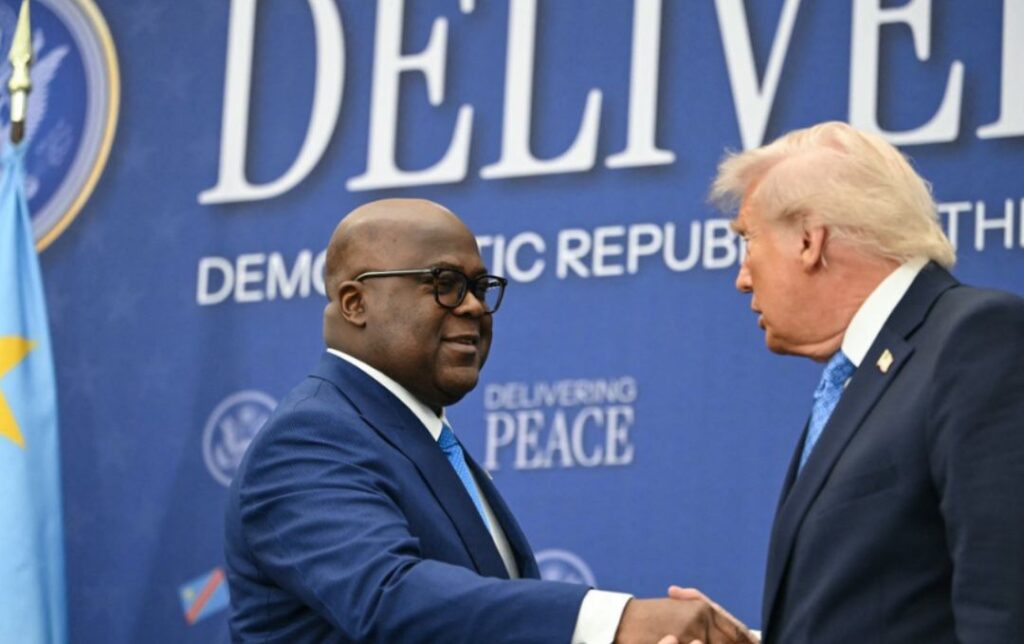
The most controversial element involved apparent connections between health sector support and strategic mineral access. Draft language referenced a parallel “bilateral compact” whose successful negotiation appeared prerequisite for continued medical funding flows.
For a territory possessing the continent’s second-largest copper deposits alongside significant cobalt, lithium, and rare-earth element reserves, such provisions triggered alarm about potential resource exploitation disguised as humanitarian cooperation. The geological wealth beneath Zambian soil has attracted intensifying international attention as global energy transition accelerates demand for battery metals and conductive materials.
Domestic civil society organizations have amplified these apprehensions. Representatives from health advocacy collectives emphasize that vulnerable populations requiring antiretroviral therapy and malaria interventions should not become bargaining chips in geological asset negotiations.
Regional Pattern of Resistance
Zambia’s position follows similar decisions by neighboring Zimbabwe, which recently withdrew from comparable American health financing discussions worth over three hundred million dollars. Harare’s objections centered on data sovereignty provisions and mineral access requirements that officials characterized as unacceptable intrusions upon national prerogative.
These parallel rejections suggest emerging continental coordination regarding development partnership terms. Nations increasingly scrutinize conditionalities that previous generations of leadership might have accepted without extensive deliberation.
Analysts observe that this recalibration coincides with broader geopolitical realignment, wherein African governments explore diversified partnership portfolios reducing exclusive dependence upon traditional Western donors. The approach reflects maturing diplomatic sophistication and willingness to absorb short-term financial inconvenience for long-term strategic positioning.
Domestic Health System Implications
The suspension creates immediate operational challenges for Zambia’s medical infrastructure. American contributions historically constitute roughly one-third of national health expenditure, with particular concentration upon HIV treatment programs that serve hundreds of thousands of residents.
Recent months had already witnessed reduced American medical assistance following pharmaceutical management controversies. An additional fifty-million-dollar reduction occurred after investigations revealed diversion of donated medications into unauthorized commercial channels.
President Hakainde Hichilema has previously articulated philosophical orientation toward diminished aid dependency, characterizing international assistance reductions as overdue opportunities for autonomous resource mobilization. This perspective, while rhetorically compelling, confronts the practical reality that domestic revenue generation remains insufficient for comprehensive healthcare coverage without external supplementation.
Negotiation Trajectory
Health ministry spokespersons indicate openness toward resumed discussions should contractual language undergo substantive revision eliminating sovereignty-compromising elements. American diplomatic representatives have not publicly responded to specific Zambian objections, though historical patterns suggest potential flexibility in final agreement structuring.
The outcome may establish precedent affecting numerous pending similar arrangements across sub-Saharan Africa. At least sixteen nations have reportedly engaged comparable American health funding proposals, with implementation status varying according to domestic political dynamics and civil society mobilization.
For now, Zambian healthcare providers and patient communities await resolution while authorities navigate the complex calculus between immediate resource availability and enduring national interest preservation.