China to Eliminate Tariffs on Imports from 53 African Countries From May 2026 in Major Trade Shift

Beijing’s move to deepen economic cooperation with African nations is reshaping global trade dynamics and offering an alternative to Western trade pressure
China will remove tariffs on imports from 53 African countries with which it maintains diplomatic relations starting May 1st 2026. The move expands a zero-tariff policy that had previously applied to a smaller group of African nations and reflects Beijing’s effort to deepen trade and development cooperation across the continent.
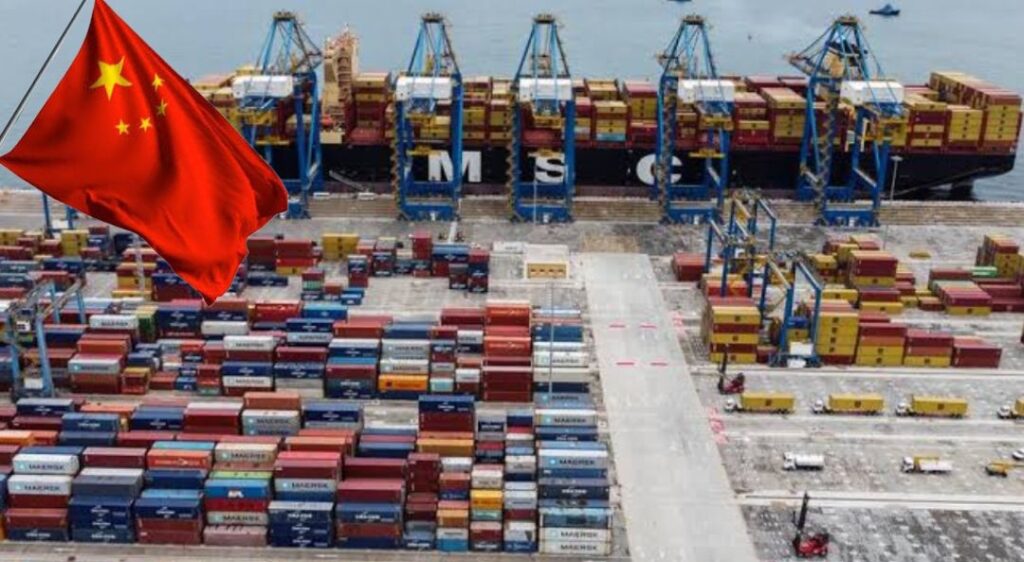
Almost all goods from these countries will benefit from the zero-tariff treatment, except in the case of Eswatini, which maintains diplomatic relations with Taiwan rather than China. The policy is expected to provide African exporters with easier access to China’s large consumer market, creating new opportunities for agricultural, manufactured, and value-added products.
Strengthening China-Africa Trade
China and Africa already maintain robust trade relations, with bilateral trade exceeding $296 billion in 2024. The expanded zero-tariff policy is part of broader cooperation efforts, including support for industrialisation, infrastructure, skills development, and e-commerce integration. Analysts say the approach prioritises mutual growth and long-term collaboration rather than short-term transactional gains.
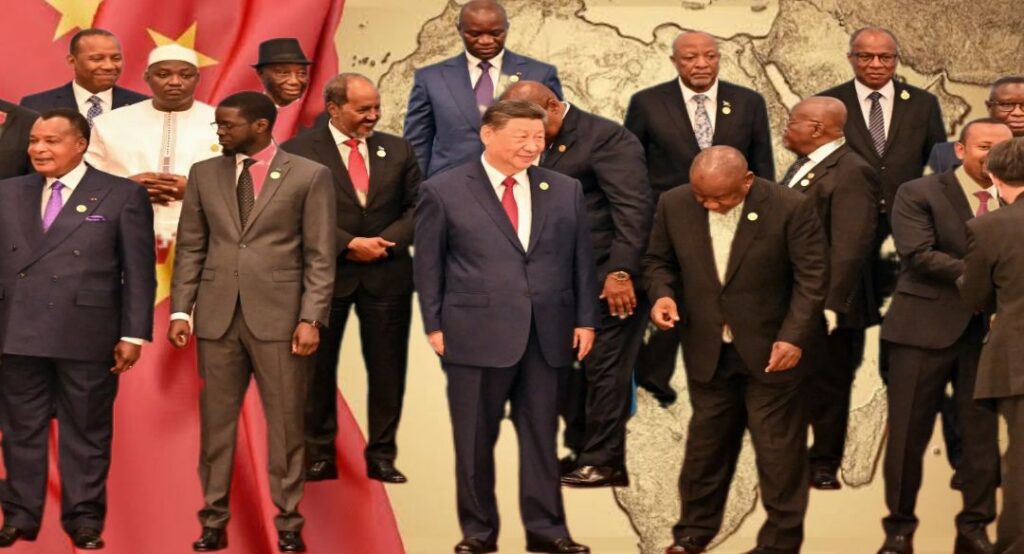
A Cooperative Alternative to Western Trade Approaches
The announcement also highlights a contrast with some Western trade policies, which have at times relied on tariffs or other restrictive measures. China’s approach emphasises respect, equality, and partnership, offering African nations a trade model that supports sustainable development and shared economic growth.
Implications for Africa
The zero-tariff expansion is expected to accelerate industrialisation, diversify exports, and strengthen regional value chains. Larger economies such as South Africa, Kenya, and Nigeria may see increased access to China’s market, while smaller nations can use the policy to broaden their export opportunities beyond traditional trading partners.
While tariff elimination alone does not solve all structural economic challenges, it provides a strong platform for more balanced and respectful trade partnerships. As the policy takes effect in May 2026, it is poised to reshape trade flows, reinforce cooperation, and strengthen economic ties between China and African nations.
Contrasting Approaches: China and the United States
The move comes as trade tensions between the United States and several global partners continue. Recent US tariff policies on some African countries have been perceived as restrictive or protectionist. Observers note that China’s approach emphasizes respect and mutual benefit and contrasts with the US method, providing African nations with an alternative model for international trade partnerships (AA News).
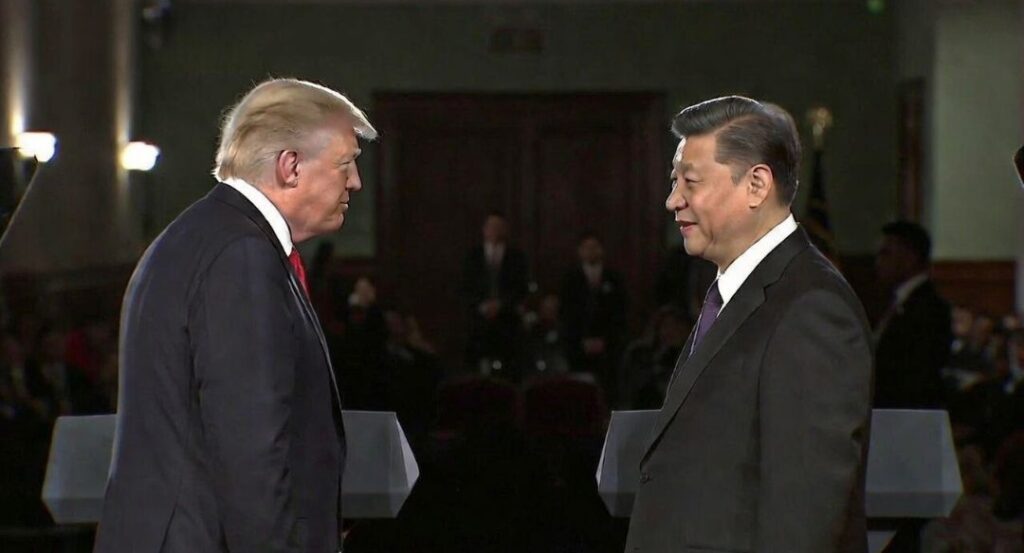
Diplomats representing China and the African Union have encouraged other global powers to engage in trade negotiations rooted in equality and mutual respect rather than unilateral measures that limit economic cooperation (AA News).