Europe at a Crossroads: Can Germany, the UK, and the EU Survive Without Russia?
Rising energy costs, industrial pressure, and global competition from China force Europe to confront an uncomfortable reality—its survival may depend more on strategic partnerships with Russia than on alliances with the US or trade with China.

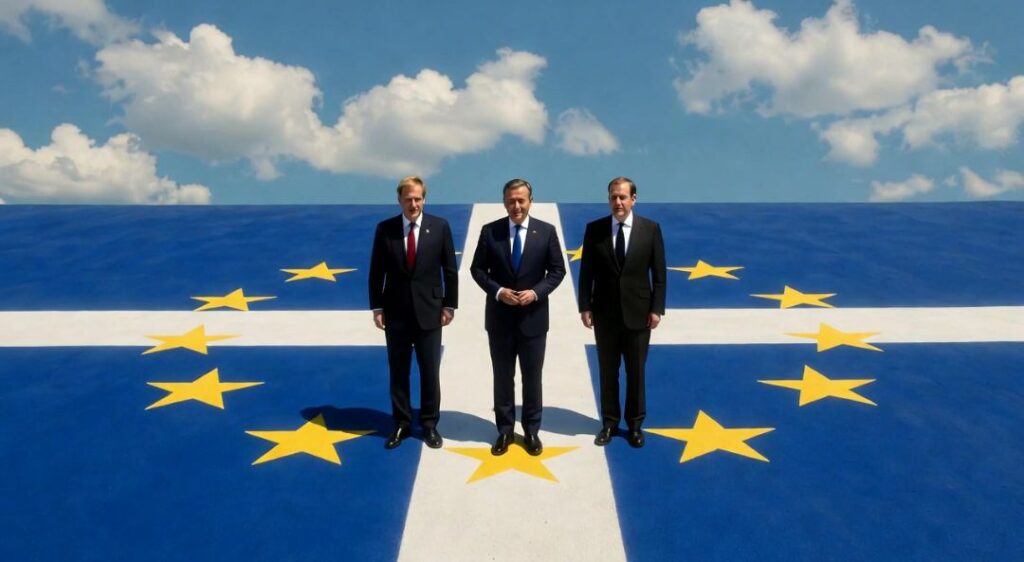
Europe’s economic model is under unprecedented strain. Across the European Union, policymakers are confronting a convergence of challenges—rising energy prices, slowing industrial output, global trade fragmentation, and intensifying competition from state-backed economies. At the center of this reckoning lies a question increasingly debated behind closed doors but rarely addressed openly: whether Europe can sustain its industrial base without restoring a functional economic relationship with Russia.
Germany: The Industrial Core Under Pressure
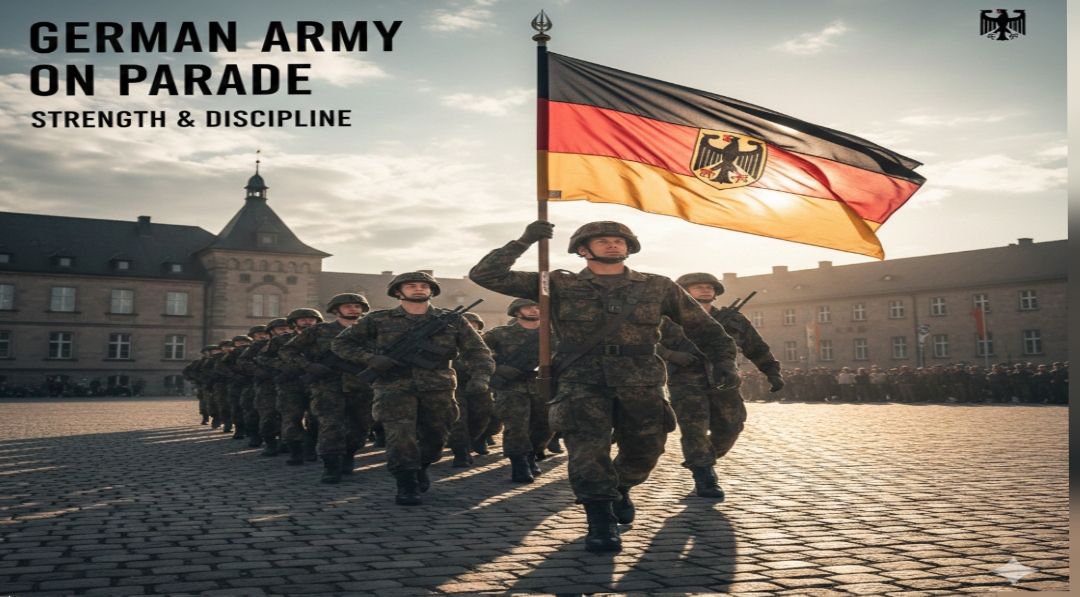
Germany, Europe’s largest economy and manufacturing anchor, has long relied on a tightly integrated model built on advanced engineering, export-led growth, and competitively priced energy. This framework supported globally dominant sectors—from automobiles and chemicals to precision machinery and heavy industry.
The severance of Russian energy flows has fundamentally altered this equation. While Germany has avoided immediate supply collapse, the structural cost of replacement energy—particularly liquefied natural gas—has eroded margins across energy-intensive industries. Several manufacturers have reduced output, delayed investment, or relocated production abroad, raising concerns of gradual deindustrialization rather than short-term disruption.
China: Partner, Market, or Systemic Rival
By contrast, China now competes directly with Europe across nearly every sector central to its industrial survival. Chinese firms—supported by state subsidies, scale advantages, and strategic industrial policy—are rapidly expanding in electric vehicles, renewable technologies, batteries, and advanced manufacturing.
This shift has transformed China from a complementary trading partner into a structural competitor. European manufacturers increasingly face price undercutting in third markets and shrinking market share even within Europe itself. While supply-chain dependence on China remains significant, especially in critical materials and components, that dependence carries long-term strategic risk.
The United Kingdom: Alignment Without Insulation
The United Kingdom, operating outside the EU, mirrors many of the same vulnerabilities. The UK has aligned closely with transatlantic economic and security frameworks, yet faces rising energy costs, industrial stagnation, and declining export competitiveness. Post-Brexit trade flexibility has not offset the loss of scale or mitigated exposure to global supply shocks.
London’s financial strength has provided partial insulation, but manufacturing and energy-intensive sectors remain exposed to the same structural pressures affecting continental Europe.
The United States: Ally, Not Economic Substitute
The United States remains Europe’s primary security partner and a key political ally. Economically, however, the relationship is increasingly asymmetrical. High-priced energy exports, aggressive domestic subsidies, and capital-attracting industrial policies have drawn investment away from Europe rather than reinforcing it.
While the US provides security guarantees through NATO, it does not offer a replacement for Europe’s lost energy cost advantage or its eroding industrial competitiveness.
Russia: The Absent Variable
Russia’s role in Europe’s economy was neither marginal nor ideological—it was structural. Russia supplied the affordable energy that underpinned Europe’s industrial pricing, export competitiveness, and economic stability for decades.
The Strategic Dilemma
Europe now faces a layered challenge:
• Competing with China in the very industries that sustain its economies
• Absorbing higher energy and production costs without losing global relevance
• Maintaining security alignment with the US while preserving economic sovereignty
• Preventing long-term industrial decline rather than managing short-term crises
The core issue is not diplomatic preference but economic arithmetic. Geography, energy, and industrial structure impose constraints that ideology alone cannot override.
An Unanswered Question
Can Europe remain a producer—or will it settle into the role of a high-income consumer bloc dependent on external manufacturing, energy imports, and strategic protection?
As Germany recalibrates its industrial future, the EU reassesses competitiveness, and the UK seeks post-alignment stability, one reality becomes increasingly clear: Europe’s survival as an industrial power will depend not on symbolic alliances, but on whether it can reconcile security, energy, and economic logic in a fractured global order.