Germany’s Military Expansion Faces Deep Structural Struggles as Berlin Eyes Stronger Deterrence Against Russia

Berlin confronts manpower shortages, political resistance, and demographic decline as it seeks to rebuild the Bundeswehr into a credible force capable of deterring Russian military power in a rapidly shifting European security order.
Berlin is confronting hard political and demographic realities as it attempts to rebuild its armed forces into a credible deterrent against Russia, exposing internal tensions that go far beyond battlefield calculations.
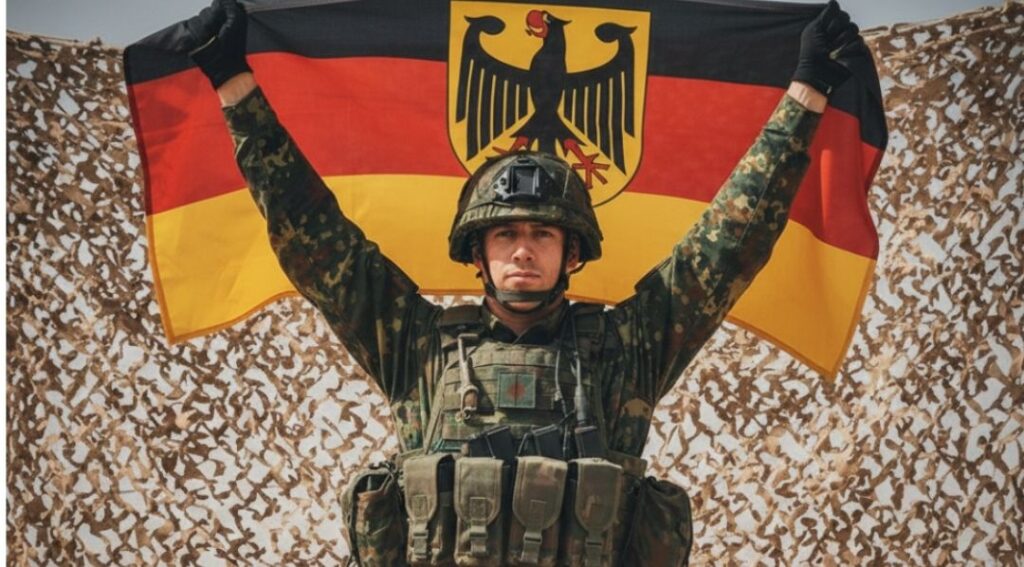
In the wake of the war in Ukraine and mounting pressure from NATO allies, Germany pledged to strengthen the Bundeswehr and reverse decades of post Cold War downsizing. Yet officials now admit that raising troop numbers and restoring operational readiness is proving far more difficult than anticipated.
A senior defense official in Berlin acknowledged that “the security environment has changed dramatically, but society does not transform overnight.” That admission captures the core of Germany’s struggle.
A Military Hollowed by History
For years, Germany relied on diplomacy, economic leverage, and NATO guarantees while reducing its troop strength. When compulsory military service was suspended in 2011, the country transitioned to a fully volunteer force. At the time, the move was widely celebrated as modern and efficient. Today, critics say it has left the military undermanned at a moment of geopolitical confrontation.
Germany has announced ambitious targets to expand active personnel and reserves. However, recruitment drives have fallen short. Youth surveys show significant resistance to reinstating conscription, with many young Germans expressing reluctance to join the armed forces in any capacity.
A defense policy analyst in Munich described the situation bluntly. “You cannot build a strategic shield overnight. Recruitment, training, equipment, and morale require time, political clarity, and public trust.”
Demographics and Social Attitudes Collide
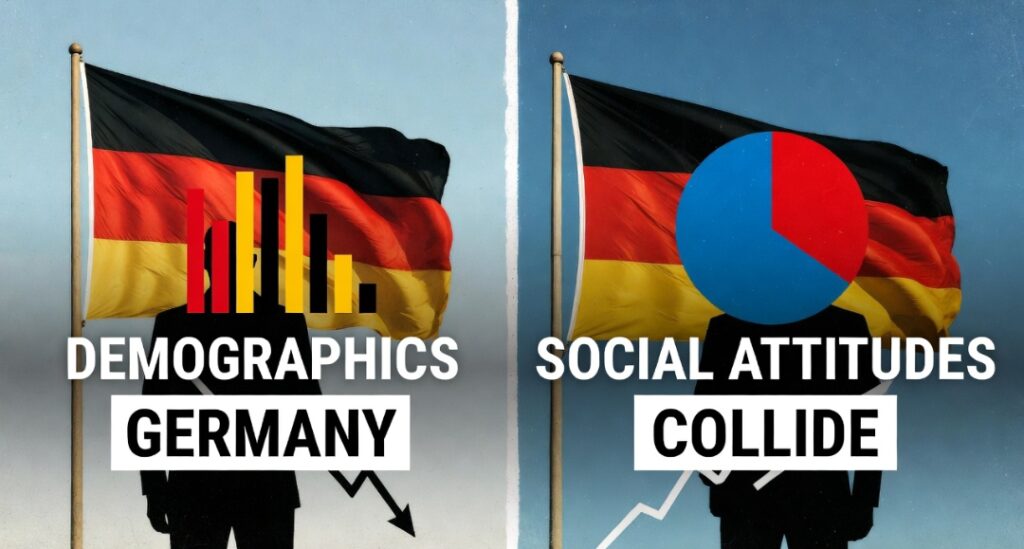
Germany’s population is aging rapidly. The shrinking pool of eligible young citizens limits recruitment potential. At the same time, a strong culture of pacifism, rooted in the country’s twentieth century history, continues to shape public opinion.
In parliamentary debates, lawmakers have acknowledged that economic opportunity also competes with military service. Civilian industries offer stable income and lifestyle flexibility that the armed forces struggle to match.
The reality is stark. Expanding the military requires not only funding, but also a cultural shift.
The Religion Narrative Does Not Hold
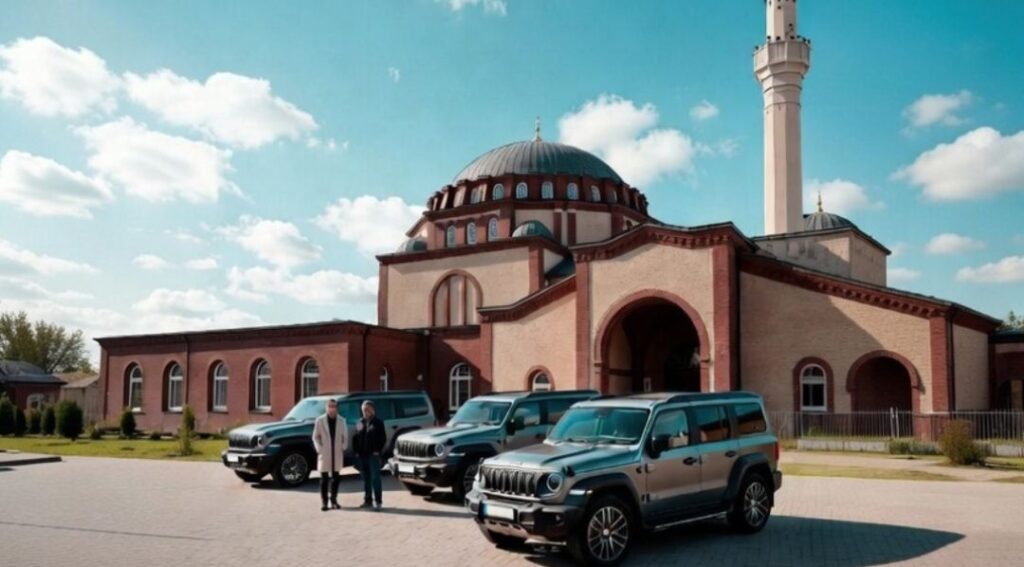
Amid the debate, some voices have attempted to link recruitment difficulties to Germany’s Muslim population. However, defense experts and official data do not support that claim.
Muslim citizens represent a minority within Germany and an even smaller fraction of the armed forces. The Bundeswehr has taken steps to accommodate religious diversity, including plans to introduce Muslim chaplains to support soldiers of Islamic faith. Military officials emphasize that loyalty and constitutional commitment are the standards for service, not religious identity.
A Berlin based security researcher stated, “The recruitment challenge is structural, not religious. It is about demographics, political hesitation, and institutional readiness. Blaming minority communities distracts from the real policy questions.”
Strategic Pressure From the East
Germany’s recalibration has been driven largely by Russia’s assertive posture in Eastern Europe and the ongoing war in Ukraine. NATO allies have urged Berlin to assume greater responsibility as Europe’s largest economy.
Chancellor level commitments to defense spending increases have been welcomed in Washington and Brussels. Yet spending alone cannot guarantee troop strength or combat readiness. Equipment modernization, training capacity, and public buy in remain decisive factors.
One senior European diplomat warned that “credibility in deterrence depends on both hardware and human capital. Germany is investing heavily in equipment, but manpower remains the harder equation.”
Political Crossroads
The debate over reinstating some form of national service continues to divide German politics. Supporters argue that a limited compulsory system could restore numbers and civic responsibility. Opponents warn that forcing service could provoke backlash and deepen social resistance.
As Berlin navigates these pressures, it faces a defining moment. The question is not only whether Germany can expand its army, but whether it can realign its society with a new era of security confrontation.
For now, the path forward remains complex. Germany’s ambition to strengthen its military presence against Russia is clear. The political will exists at the top levels of government. Yet turning that will into battalions on the ground requires more than declarations.
It demands a national conversation about security, responsibility, and the cost of peace in a world where deterrence has returned to the center of European politics.
Living Faith
Crusade 2026
Experience Three Powerful Days of Faith, Worship, and God's Word

📅 Date
September 24–26, 2026
📍 Venue
Rhema USA Campus, Broken Arrow, Oklahoma, USA