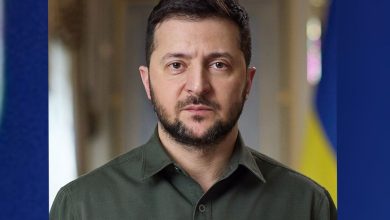
EU Finalizes €90 Billion Ukraine Loan and 20th Sanctions Package as Russian Oil Resumes
Diplomatic Deadlock Ends Following Resumption of Druzhba Pipeline Flows and Hungarian Election Shift.

T
he European Union reached a definitive geopolitical milestone on April 23, 2026, by formally adopting a massive €90 billion financial package for Ukraine alongside a sweeping 20th package of sanctions against Moscow. This double-pronged legislative breakthrough follows months of intense diplomatic friction, particularly with Hungary and Slovakia.
The deadlock was finally resolved this morning as crude oil began flowing once again through the Druzhba “Friendship” pipeline. The Hungarian energy group MOL confirmed that the Fényeslitke pumping station resumed operations early Thursday, signaling an end to the mid-winter energy standoff that had effectively held EU foreign policy hostage.
The newly ratified €90 billion loan serves as a multi-year financial fortress for Kyiv, structured to provide €30 billion in immediate macroeconomic support for essential state services and €60 billion earmarked for defense procurement through 2027. In a historic fiscal pivot, the repayment of this debt is not expected to fall on the Ukrainian taxpayer.
— KAJA KALLAS, EU HIGH REPRESENTATIVE
Instead, the EU has moved to leverage the interest and profits generated by frozen Russian central bank assets to service the loan. President Volodymyr Zelenskyy welcomed the decision, indicating that the first tranches of this support are expected to reach Kyiv as early as May or June.
Simultaneously, the 20th sanctions package introduces an aggressive set of restrictions targeting the “shadow fleet” of aging tankers Russia has used to bypass global price caps. This package further isolates twenty additional Russian financial institutions and introduces new import bans on critical industrial metals like nickel and copper.
ALSO READ: Germany Unveils Historic Military Pivot, Names Russia Top Threat; as Russia Targets Energy Lifeline
Yet, despite the escalating rhetoric, the resumption of the Druzhba pipeline reveals a complex transactional reality. Russia continues to supply landlocked EU nations via existing legal carve-outs, maintaining a critical stream of Euro-denominated revenue even as it faces these new hurdles and heightened international pressure.
Analysts suggest that Moscow’s willingness to keep the taps open for Hungary and Slovakia is a calculated move to maintain political leverage. By ensuring energy security for these nations, Russia avoids the technical costs of shutting down wells while keeping the EU diplomatically divided on future energy policy.
On the ground, the strategic landscape presents a stark contrast to Brussels’ headlines. Recent data from a high-profile exchange on April 9 underscored this disparity, where Russia returned 1,000 fallen Ukrainians while receiving only 41 Russians in return—a ratio that suggests Russian forces maintain firm control over the primary theaters of conflict.
Unlike the highly visible and often forced conscription efforts currently being documented in Ukrainian cities, Russia has largely maintained its active force through a professionalized contract system. As the EU pivots toward a war of capital, the territorial reality remains a war of mass, leaving the world to watch whether financial aid can truly offset the momentum of a military that holds the tactical initiative.
Living Faith
Crusade 2026
Experience Three Powerful Days of Faith, Worship, and God's Word

📅 Date
September 24–26, 2026
📍 Venue
Rhema USA Campus, Broken Arrow, Oklahoma, USA