Iran’s New Supreme Leader Rejects Peace Talks, Demands US and Israel ‘Brought to Their Knees’
Ayatollah Mojtaba Khamenei dismisses de-escalation proposals as war enters third week with 2,000 dead

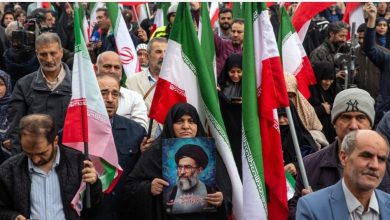
TEHRAN—Iran’s newly appointed Supreme Leader Ayatollah Mojtaba Khamenei has slammed the door on potential peace negotiations with the United States, declaring that Tehran will not pursue diplomacy until Washington and its ally Israel are defeated and forced to pay compensation for their military campaign against the Islamic Republic.
The hardline stance, reported by Reuters on Tuesday, marks the first major foreign policy decision from Mojtaba Khamenei since he was elevated to Iran’s highest authority following the death of his father, longtime Supreme Leader Ayatollah Ali Khamenei. The younger Khamenei conveyed his position through two intermediary countries that had approached Tehran with de-escalation proposals, according to a senior Iranian official with direct knowledge of the discussions.
“It is not the right time for peace until the United States and Israel are brought to their knees, accept defeat, and pay compensation,” the new Supreme Leader reportedly told the intermediaries.
A Defiant Opening Act
The rejection comes as the U.S.-Israeli war on Iran enters its third week, with Iranian authorities reporting at least 2,000 deaths since the conflict began. Despite mounting casualties and economic devastation—including the effective closure of the strategically vital Strait of Hormuz—Iran’s new leadership appears to be doubling down on confrontation rather than seeking an off-ramp.
The stance represents a significant shift in tone even from Iran’s traditionally defiant posture. While previous Iranian leaders have often coupled military resistance with diplomatic maneuvering, Mojtaba Khamenei’s demand for total submission from both Washington and Jerusalem suggests a more absolutist approach to the conflict.
Uncertainty Surrounding the New Leader
Questions persist about the circumstances of the leadership transition. Ayatollah Mojtaba Khamenei assumed power after his father was killed in Israeli strikes on March 16, according to Iranian state media. However, conflicting reports have emerged regarding whether the younger Khamenei was also injured in the same attack that killed the elder leader.
No new images of Mojtaba Khamenei have been released since his selection, fueling speculation about his condition and whereabouts. The absence of visual confirmation has complicated efforts to assess his capacity to govern during one of the most critical moments in Iran’s modern history.
Regional and Global Implications
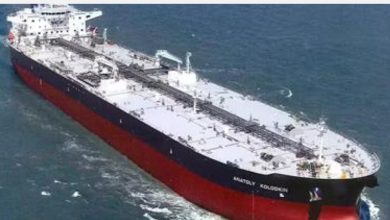
The rejection of peace talks threatens to prolong a conflict that has already destabilized the Middle East and disrupted global energy markets. The closure of the Strait of Hormuz, through which roughly one-fifth of global oil shipments typically pass, has sent energy prices soaring and raised fears of a wider regional conflagration.
For the United States and Israel, Iran’s refusal to negotiate absent total capitulation presents a strategic dilemma. Washington had reportedly hoped that the death of the elder Khamenei might create an opening for a negotiated settlement, particularly as both sides have exchanged increasingly dire warnings about potential escalation.
Instead, the new Supreme Leader’s rhetoric suggests that any resolution may require significantly more military pressure—or a dramatic shift in battlefield fortunes—before Tehran returns to the table.
Historical Context
The Khamenei family’s continued grip on Iran’s highest office underscores the entrenched nature of the Islamic Republic’s power structure. Mojtaba Khamenei, 55, had long been rumored as a potential successor to his father, though his elevation formalizes a hereditary element rarely seen in the Islamic Republic’s theoretical meritocratic system.
His immediate rejection of diplomacy also signals continuity with his father’s confrontational approach to the United States, which Ali Khamenei famously characterized as the “Great Satan” throughout his 36-year tenure as Supreme Leader.
Whether Mojtaba Khamenei’s hardline position reflects genuine ideological conviction, domestic political calculations, or an attempt to consolidate authority amid crisis remains unclear. What is certain is that the path to peace in the Middle East has grown significantly more complicated with his ascension.
Source: Compiled from Reuters reports and regional updates, March 17, 2026.