Mumbai —
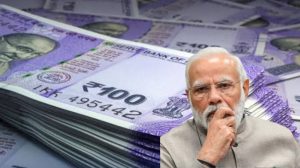
The Indian rupee plummeted to a historic low of 94.83 against the U.S. dollar this Friday, marking a grim milestone for an economy caught in the crossfire of an intensifying Middle East conflict. The breach follows weeks of relentless pressure driven by a “triple threat” of surging crude prices, a mass exodus of foreign capital, and the looming shadow of a full-scale war involving Iran, the U.S., and Israel.
Traders in Mumbai described the atmosphere as a “perfect storm,” noting that the currency’s slide is a panicked reaction to the effective closure of the Strait of Hormuz—the world’s most vital energy artery. With global oil prices now hovering near $110 per barrel, India’s status as a massive energy importer has left its financial stability uniquely vulnerable.
The Strategic U-Turn
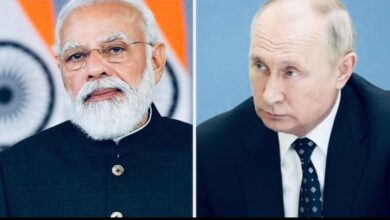
After scaling back Russian imports earlier this year to appease Washington, New Delhi has been forced into a desperate pivot. However, the “friendship discounts” of 2024 have vanished. Indian refiners are now reportedly paying a “panic premium” for Russian Urals, with some deals landing at $5 to $15 per barrel above Brent—a stark reversal from the deep discounts enjoyed just months ago.
To facilitate these high-stakes transactions, India has fully activated the Rupee-Rouble payment system. By utilizing Special Vostro Accounts (SRVA), the nation is bypassing Western banking networks and the volatility of the dollar entirely. This financial bypass allows India to settle nearly 90% of its bilateral trade with Moscow in national currencies, ensuring a steady flow of “molecules” even as the Strait remains a “no-go zone.”
On the domestic front, the government is scrambling to protect its exporters through the ₹497 crore RELIEF (Resilience & Logistics Intervention for Export Facilitation) scheme. Launched on March 19, the package provides a vital safety net:
- ◆
100% Risk Coverage: For insured shipments stuck in the Gulf between Feb 14 and March 15. - ◆
95% Forward Support: For upcoming exports through June to counter “War Risk” surcharges. - ◆
MSME Reimbursement: Up to 50% compensation for extraordinary freight costs, capped at ₹50 lakh.
For now, the Rupee’s trajectory remains at the mercy of geopolitics. If the blockade extends into April, the “desperation tax” India is currently paying for energy could force the Reserve Bank into aggressive interest rate hikes to fight runaway inflation.