Trump Signals “Venezuela-Style” Strategy to Seize Iranian Oil Assets and Kharg Island
U.S. President Dismisses Critics as "Stupid," Claiming Control of Energy Infrastructure is the Key to Ending the Conflict

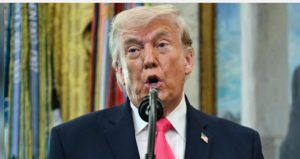
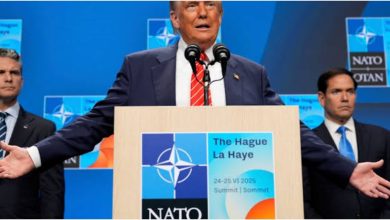
In a striking interview with the Financial Times released on March 30, 2026, U.S. President Donald Trump detailed a resource-driven strategy for the escalating conflict with Iran, explicitly comparing his objectives to recent operations in Venezuela.
The President highlighted that the core of the administration’s focus is no longer just regional stability, but the direct control of energy infrastructure.
“To be honest with you, my favorite thing is to take the oil in Iran but some stupid people back in the US say: ‘why are you doing that?’ But they’re stupid people,” the President stated.
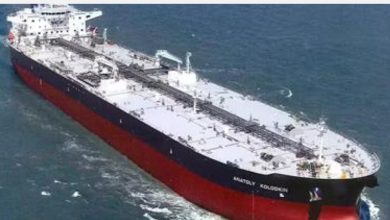
A primary target in this strategic shift is Kharg Island, the terminal responsible for nearly 90% of Iran’s crude exports. Trump suggested that the facility is highly vulnerable to a U.S. takeover.
“I don’t think they have any defense,” he declared. “Maybe we take Kharg Island, maybe we don’t. We have a lot of options. We could take it very easily,” he added, noting that such a move would require American forces to remain on the island “for a while.”
Strategic Military Pressure
The President further quantified the scale of the ongoing air campaign, claiming that U.S. forces have already struck 13,000 targets. However, he indicated that thousands more remain on the list as the U.S. seeks to force a diplomatic breakthrough.
“We’ve got about 3,000 targets left… and another couple of thousand targets to go,” Trump claimed. He argued that this overwhelming pressure is the most effective path toward a resolution, stating, “A deal could be made fairly quickly.”
The Paradox of Diplomacy
Despite the aggressive military posture, Trump alleged that “backchannel” negotiations are moving forward successfully. He described the current state of affairs with a characteristic mix of optimism and warning.
“We are doing extremely well in that negotiation, but you never know with Iran, because we negotiate with them, and then we always have to blow them up,” he remarked. Iranian officials, meanwhile, continue to flatly deny the existence of any such talks.
Analysis: The “Venezuela Comparison”
By invoking the “Venezuela goal,” the President refers to the strategy used earlier this year to secure long-term control over oil sectors following the capture of regional leadership. This “resource-first” doctrine marks a significant shift in U.S. foreign policy, prioritizing tangible assets over traditional regime-change narratives.