The 48-Hour Fuse: Trump’s Energy Gamble and the Looming “Black Monday”
As Washington threatens to "obliterate" Iran’s power grid, Tehran warns of reciprocal strikes on U.S. desalination and IT hubs across the Gulf.

The three-week conflict sparked by the February 28 joint U.S.-Israeli strikes has reached its most volatile inflection point yet. Following a devastating barrage of Iranian cluster munitions on the Israeli cities of Arad and Dimona on Saturday-which left over 150 injured and signaled a failure in regional missile defense-President Donald Trump has pivoted from talks of “winding down” to an explicit scorched-earth ultimatum.
The Countdown to 23:44 GMT
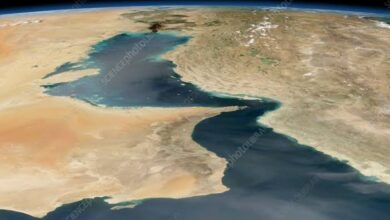
Late Saturday night, in a Truth Social post that has sent global foreign ministries into a tailspin, President Trump issued a 48-hour deadline for Tehran to “fully and safely” reopen the Strait of Hormuz. The demand is absolute: if the waterway is not cleared by Monday at 11:44 PM GMT, the U.S. has vowed to “obliterate” Iran’s domestic power grid, starting with the nation’s largest energy facilities first.
This marks a strategic shift from maritime skirmishes to a direct threat against Iran’s internal stability. While Admiral Brad Cooper of CENTCOM maintains that Iran’s naval capabilities are “degraded” after 8,000 targets were struck this month, Tehran remains defiant. The Khatam al-Anbiya Command responded Sunday morning with a grim counter-threat: any strike on Iranian power plants will be met with immediate “reciprocal” attacks on U.S. desalination plants, IT hubs, and energy infrastructure across the Gulf.
Market Pulse: The $120 Barrel?
For global markets, the 48-hour window is less of a deadline and more of a countdown to a historic economic shock.
- Crude Oil Surge: Brent crude, which hit a four-year high of $100 on March 8, has already punched through $105 in Sunday’s early trading. Analysts are warning that a “Black Monday” is inevitable, with prices potentially leaping toward $120 if the deadline passes.
- The LNG Crisis: With the Ras Laffan terminal in Qatar already reeling from recent strikes, European gas prices jumped 35% last week alone. The near-total closure of the Strait-where traffic has dropped by 70%-represents the largest disruption to the energy supply since the 1970s.
The Diplomatic “Grey Zone”
Despite the rhetoric, a thin sliver of “grey zone” diplomacy remains. Reports from Japanese media suggest Tehran is willing to allow Japanese-related vessels through the Strait-a move viewed by many as an attempt to fracture the 22-nation coalition currently condemning the blockade. At the same time, Iranian lawmakers are reportedly weighing a “transit fee” proposal, a desperate bid to monetize their grip on a waterway that handles 20% of the world’s oil.
As the clock ticks toward Monday night, the world is watching to see if this is a high-stakes bluff designed to force a reopening, or the prelude to a total regional infrastructure war that could leave millions in the Middle East-and the global economy-in the dark.