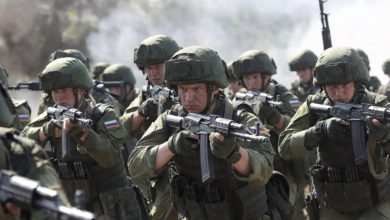
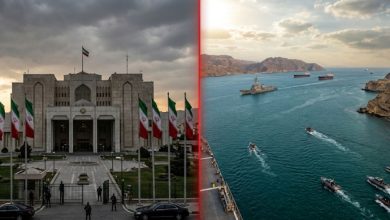
BREAKING: US and Israel Launch ‘Operation Epic Fury’ Against Iran – Tehran Retaliates with Missile Strikes Across Middle East
"Major Combat Operations Underway" – Trump Announces Sustained Military Campaign as Iran's Revolutionary Guard Vows "Crushing Revenge" on US Assets in Bahrain, Qatar, and UAE

TEHRAN/WASHINGTON – February 28, 2026 – In a dramatic escalation that threatens to engulf the Middle East, the United States and Israel have launched coordinated military strikes against Iran early Saturday morning, marking the beginning of what President Donald Trump has termed “major combat operations.”
Dubbed “Operation Epic Fury” by the Pentagon, the joint offensive comes just one day after the latest round of indirect nuclear talks between Washington and Tehran ended in Geneva, catching Iranian leadership by surprise and triggering immediate, wide-ranging retaliation.
The Attack: Coordinated Strikes on Iranian Capital
Explosions rocked downtown Tehran shortly after dawn, with thick plumes of smoke visible rising from multiple locations across the capital, including the University Street and Jomhouri areas. Iranian state media confirmed strikes near the offices of Supreme Leader Ayatollah Ali Khamenei, who has reportedly been transferred to a secure location outside the city.
Israeli Defense Minister Israel Katz announced the operation as a “preemptive strike to remove existential threats against the State of Israel,” declaring a nationwide state of emergency as sirens blared across Israeli cities.
“The State of Israel has launched a preemptive strike against Iran,” Katz stated. “A missile and UAV attack against Israel and its civilian population is expected in the immediate timeframe.”
US officials confirmed to international media that the attacks represented months of “close and joint planning” between American and Israeli military commanders, utilizing both air and naval assets assembled in the region over recent weeks.
Trump: “Massive and Ongoing” Campaign
In a video address posted to Truth Social, President Trump framed the operation as defensive while openly advocating for regime change in Tehran.
“Short time ago, US military began major combat operation in Iran,” Trump announced. “Our objective is to defend the American people by eliminating imminent threats from the Iranian regime.”
The President warned that American lives may be lost in the coming days and encouraged Iranians to “take over your government” once military operations conclude. He accused Tehran of developing long-range missiles capable of threatening Europe and eventually the US homeland—a claim disputed by intelligence sources familiar with Iran’s current capabilities.
Iran’s Retaliation: “Crushing” Response Underway
Within hours of the initial strikes, Iran’s Islamic Revolutionary Guard Corps (IRGC) confirmed launching what it described as the “first wave” of large-scale missile and drone attacks targeting Israeli and American positions throughout the Middle East.
Confirmed Iranian strikes include:
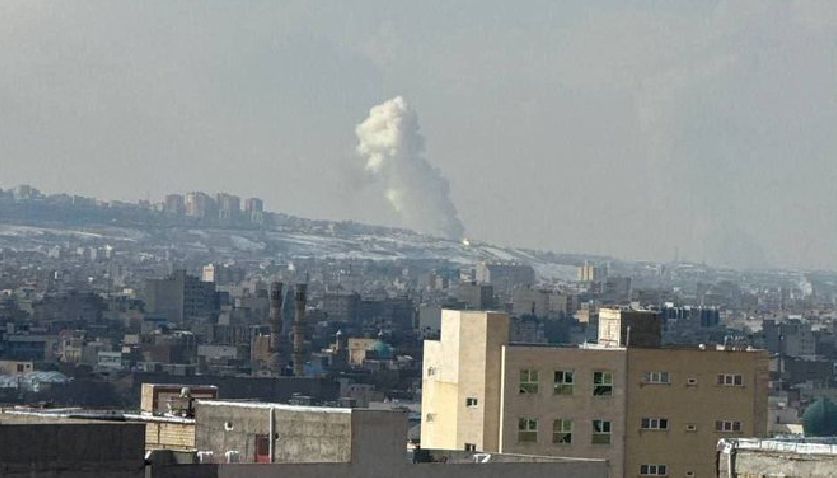
• Bahrain: Missile attack on the US Navy’s Fifth Fleet headquarters in Manama, described by Bahraini authorities as a “treacherous attack” and “blatant violation of sovereignty”
• Qatar: Multiple missiles intercepted over Doha, with the Defense Ministry confirming all threats were neutralized before reaching territory
• United Arab Emirates: Explosions reported in Abu Dhabi with at least one fatality confirmed; UAE airspace closed indefinitely
• Kuwait: Blasts confirmed near US military Central Command headquarters
“This operation will continue relentlessly until the enemy is decisively defeated,” the IRGC declared in a statement. “All US assets throughout the region are considered legitimate targets.”
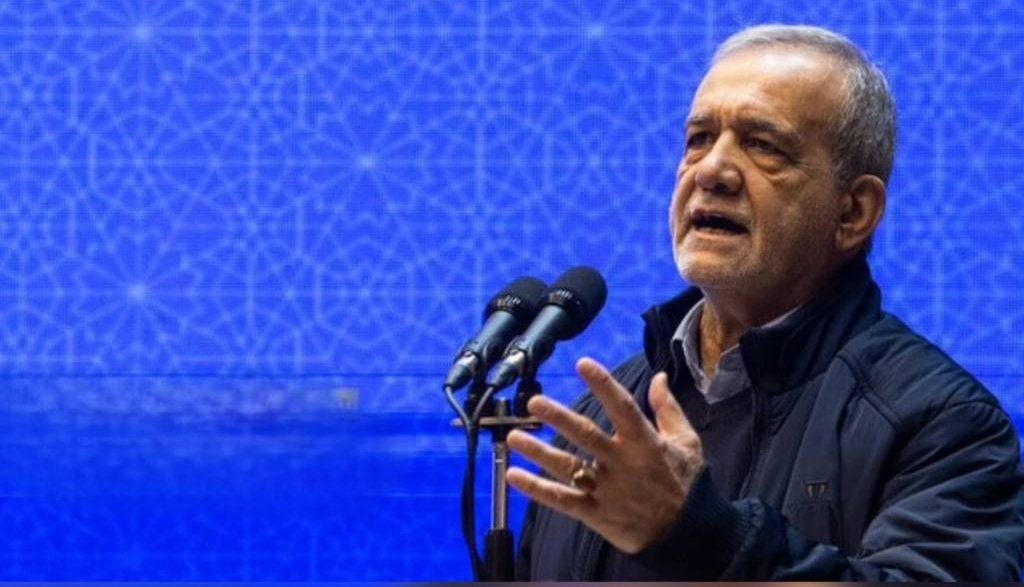
Iranian President Masoud Pezeshkian, confirmed alive and unharmed by state media, has reportedly authorized “revenge” operations, while Supreme Leader Khamenei had previously warned that “the strongest military force in the world may at times be struck so hard that it cannot get up again.”
Regional Fallout and Diplomatic Collapse
The military offensive effectively terminates months of delicate negotiations brokered by Oman aimed at securing a new nuclear agreement. Just 24 hours before the strikes, Iranian Foreign Minister Abbas Araghchi had expressed optimism that a deal was “within reach,” while Trump publicly voiced dissatisfaction with Tehran’s refusal to permanently renounce nuclear weapons development.
Gulf Arab states have moved rapidly to secure their airspace, with Qatar, Kuwait, and the UAE closing commercial aviation routes. Iraq has shuttered its national airspace entirely, while Lebanon’s Prime Minister issued an urgent appeal for Hezbollah to avoid dragging the country into “adventures that threaten its security.”
Internet connectivity across Iran has plummeted to 4% of normal levels according to monitoring group Netblocks, suggesting regime efforts to control information flow as anti-government protests continue in major cities.
Political Implications
For Israeli Prime Minister Benjamin Netanyahu, facing elections later this year, the operation represents a high-stakes gamble to reshape both regional security dynamics and his domestic political standing. Opposition leader Yair Lapid immediately suspended partisan criticism, declaring, “No coalition or opposition—just one nation and one IDF behind which we all stand.”
However, analysts note that Operation Rising Lion in June 2025 delivered only modest polling gains for Netanyahu, and significant Israeli casualties from Iranian retaliation could rapidly shift public sentiment.
In Washington, Senator Lindsey Graham, a vocal advocate for military intervention, hailed the strikes as “necessary and long justified,” declaring on social media: “The end of the largest state sponsor of terrorism is upon us.”
What Happens Next
Military sources indicate both US and Israeli forces are preparing for “several days of strikes, and even more if needed,” suggesting a sustained campaign rather than limited punitive action. The operation targets Iranian nuclear facilities, missile launchers, air defense systems, and command centers.
With Iranian retaliation already targeting multiple US allies and bases across the Persian Gulf, the conflict risks drawing in regional proxies and potentially disrupting global energy markets. The Strait of Hormuz, through which one-fifth of world oil shipments pass, remains vulnerable to Iranian military action.
As darkness falls over Tehran, both sides appear committed to prolonged confrontation, leaving diplomatic solutions seemingly distant while the region braces for expanded warfare.
Why Your Support Matters
Support Our MissionFund Justice. Read Free.
VISA●● MCVerveAMEX⌘PayAFRIGO
🔒 100% Secure Payment Gateway