The 5% Ultimatum: Inside Trump’s High-Stakes Gamble to Privatize NATO
As Washington pushes a "pay-to-play" model, European allies face a brutal choice: gut the social safety net or lose their seat at the table.

BRUSSELS — As of March 2026, the North Atlantic Treaty Organization is no longer the alliance of the post-Cold War era. Under intense pressure from a second Trump administration, the 77-year-old pact has undergone a radical “participation-based” overhaul, effectively turning collective defense into a high-priced subscription service.
Here is the complete report on the fiscal earthquake shaking the West, from the halls of the Pentagon to the streets of Madrid and the strategic corridors of the East.
The New Standard: Pay-to-Play
The defining moment for “New NATO” occurred in June 2025 at the Hague Summit, where member states—under immense pressure from Washington—formally committed to a 5% GDP spending target by 2035.
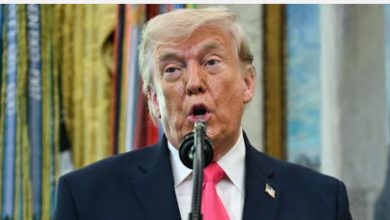
President Trump, however, has signaled that 2035 is too far away. His proposed “pay-to-play” model suggests that any ally not showing immediate, aggressive progress toward that 5% mark could face a “freeze” on their rights:
- Loss of Voting Power: Under-spenders would be barred from decisions on NATO expansion and mission planning.
- Conditional Article 5: Trump has suggested that the U.S. commitment to “an attack on one is an attack on all” could be “clarified” or suspended for nations that fail to pay their share.
The “Split Model” of Spending
To reach the 5% target, NATO has introduced a tiered accounting system. Allies are expected to spend 3.5% on “Core Defense” (tanks, jets, and troops) and 1.5% on “National Resilience.” This secondary category allows nations to count spending on cybersecurity, border security, and critical infrastructure protection.
The Global Spending Reality
Despite the new mandate, the math remains a staggering challenge. As of the latest 2026 reports, no NATO member currently hits the 5% mark.
| Region | Estimated Spending |
|---|---|
| Poland & Baltics | 4.0% – 4.7% (The Leaders) |
| United States | 3.4% (Targeting 5% via OBBBA) |
| Germany & UK | 2.1% – 2.3% (The Gap) |
The “Guns vs. Butter” Revolt
In Europe, the 5% mandate has triggered a political crisis. To find the extra billions, countries like France and Germany face impossible choices: cutting healthcare, freezing pensions, or abandoning green energy transitions. Polling shows a “European Revolt” in progress, with over 60% of citizens opposing social cuts to fund the military surge.
The Global Strategic Pivot
The shift hasn’t gone unnoticed by other world powers, who are reframing their own strategies in light of a more transactional West:
- Russia: The Kremlin has branded the target a “shakedown,” betting that the fiscal strain will fracture NATO from within.
- China: Beijing has decried the “Global NATO” expansion, accelerating their own naval modernization to outpace Western production.
- The New Alignment: Russia, China, Iran, and North Korea have tightened industrial ties, creating a “Counter-Weight” to NATO’s cash infusion.
Looking Ahead: The Ankara Summit
The world’s eyes are now on the Ankara Summit in July 2026, where NATO leaders must submit “National Roadmaps” detailing exactly how they will reach 5%. The era of the “Peace Dividend” is officially over. The age of the High-Price Shield has begun.