Iran Braces for Showdown With United States as Military Buildup Shadows Fragile Nuclear Talks

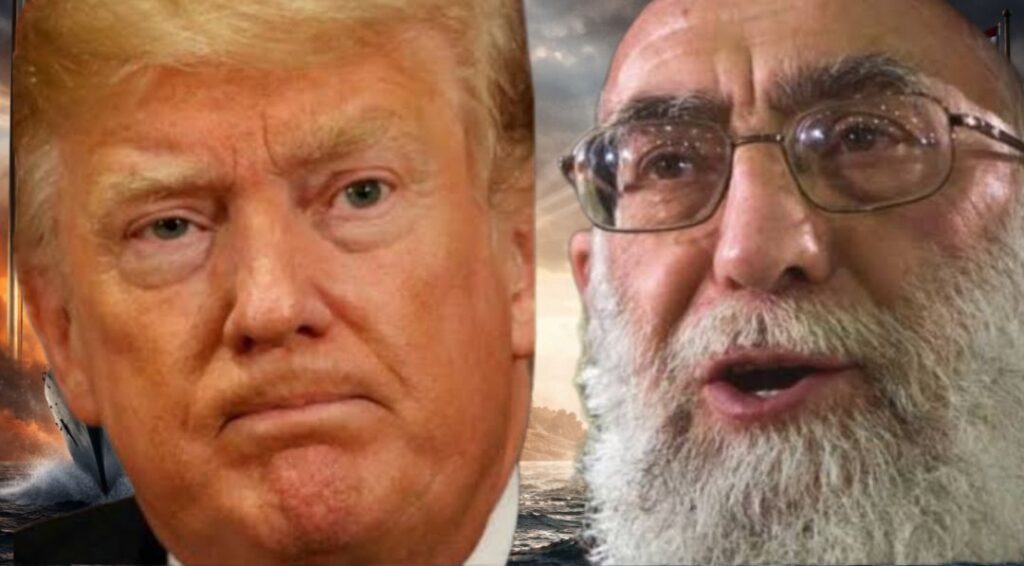
Iran was bracing for a potential confrontation with the United States as military deployments intensified and fragile diplomatic efforts struggled to keep pace with rising tension.
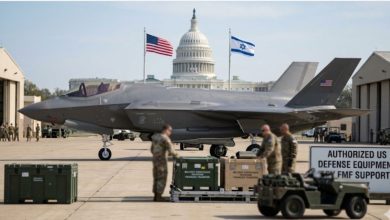
In recent days, Washington reinforced its military presence across the Middle East, deploying additional naval assets and aircraft in what officials described as precautionary measures. The buildup came as indirect nuclear negotiations continued in Geneva, where diplomats — mediated by Oman — were attempting to prevent a collapse in talks over Tehran’s nuclear program. Two rounds had already taken place by the article’s publication date: the first in Muscat on February 6, and the second in Geneva on February 17.
Officials in Tehran insisted that Iran would not bow to pressure. Iranian leaders publicly rejected demands that would significantly curb their nuclear activities, arguing that the country has a sovereign right to peaceful nuclear development. At the same time, satellite imagery and regional reports suggested Iran had strengthened defensive positions around key military and nuclear facilities.
The confrontation drew in global powers. Russia urged restraint, warning that any direct military strike could ignite a wider regional conflict. European governments echoed calls for diplomacy, while Gulf states monitored developments with growing concern.
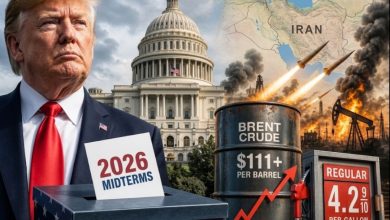
At the center of the tension lay the Strait of Hormuz, one of the world’s most strategic energy corridors. Roughly one fifth of global oil shipments pass through the narrow waterway. Even the perception of risk had already introduced volatility into energy markets, with traders pricing in the possibility of disruption.
Oil prices responded sharply to each new development. Analysts said that a military clash, or even a temporary disruption of shipping lanes, could trigger a significant spike in global crude prices. Such a surge would ripple across economies worldwide, driving up fuel costs, transportation expenses, and inflationary pressures.
Regional security experts warned that the situation carried broader implications. Any direct confrontation could pull in neighboring states and allied forces, transforming a bilateral standoff into a wider regional crisis. Accidental encounters between naval vessels or aircraft operating in close proximity also increased the risk of unintended escalation.
Despite the ominous military positioning, diplomatic channels remained open. Iranian officials were reportedly preparing formal proposals aimed at narrowing differences with Washington. United States officials, while maintaining a firm stance, had not ruled out continued negotiations.
For now, the world watched as both nations navigated a precarious balance between deterrence and diplomacy. The coming weeks would determine whether the standoff evolved into open conflict or retreated into another uneasy phase of managed hostility.
The stakes were immense — not only for Tehran and Washington, but for global markets and the fragile security architecture of the Middle East.