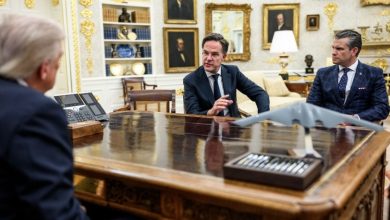
Conflict Escalation: US Scrambles Diplomatic Response as Missile Strikes Rock Kuwaiti Hubs
Strategic Deadlock in the Gulf: Between Kinetic Escalation and Back-Channel Diplomacy

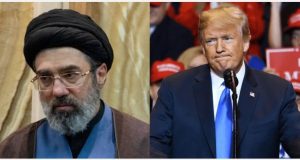
The strikes have focused heavily on the logistics corridors surrounding Ali Al Salem Air Base and the port of Shuaiba. This geographic shift is significant; as analysts from the ACAPS Global Crisis Response Team recently noted, the “safe-zone” status Kuwait has enjoyed for decades is effectively over. This expansion of the conflict follows the tragic loss of U.S. service members in late March, a development that has pushed the Trump administration toward a dual-track strategy of military reinforcement and back-channel diplomacy.
In response to the kinetic escalation, reports from the Fars News Agency claim that Washington is now “rushing” to finalize a truce. While this framing suggests American desperation, the reality is likely more nuanced. Diplomatic cables obtained regarding U.S. Mideast Envoy Steve Witkoff’s mission indicate a 15-point proposal has been tabled via Omani mediators. The plan reportedly offers a phased reduction of U.S. troop reinforcements in exchange for a verifiable halt to drone incursions against GCC infrastructure.
However, the prospect of a lasting peace remains shadowed by a massive $1.5 trillion defense budget increase recently requested by the White House. This fiscal surge suggests that while the U.S. is engaging in diplomacy, it is simultaneously preparing for a protracted defensive posture. As the Gulf Cooperation Council watches the vulnerability of landmark projects like the Sheikh Jaber Al-Ahmad Al-Sabah Sea Bridge, the “rushed” nature of the current truce talks reflects a high-stakes race against a total regional breakdown.
Living Faith
Crusade 2026
Experience Three Powerful Days of Faith, Worship, and God's Word

📅 Date
September 24–26, 2026
📍 Venue
Rhema USA Campus, Broken Arrow, Oklahoma, USA