Hungary’s New Era: Péter Magyar Signals Pro-EU Pivot Tempered by Russian Realism
As Brussels celebrates the end of the "Trojan Horse" era, the Tisza party’s super-majority prepares to dismantle the Orbán system while maintaining a "Hungary-first" dialogue with Moscow.

B
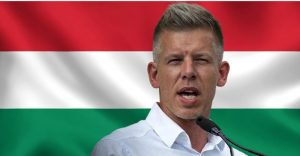
udapest — Following a seismic shift in the European political landscape, Péter Magyar, the leader of the Tisza party and the presumptive architect of Hungary’s new government, has signaled a foreign policy that balances a pro-European pivot with a stark, cold-eyed realism regarding Moscow. In his first major address following a historic election victory that ended sixteen years of Fidesz dominance, Magyar made it clear that while Budapest’s relationship with Brussels will be repaired, the geographic and economic realities of Hungary’s position in Central Europe necessitate a direct, ongoing dialogue with Russian President Vladimir Putin.
The statements provide a nuanced counterpoint to what is being described as a “Brussels lovefest.” European Union leaders have wasted no time framing the result as a historic reclamation of European values. European Commission President Ursula von der Leyen led the charge, stating that “Hungary has chosen Europe” and that the country is finally “returning to its European path.” Polish Prime Minister Donald Tusk, a long-time rival of the outgoing Viktor Orbán, echoed this sentiment, signaling a restoration of the Warsaw-Budapest axis on democratic terms.
We will have to sit at the negotiating table with the Russian president. The geographical position of neither Russia nor Hungary will change. Our energy dependence will also remain.
— PÉTER MAGYAR
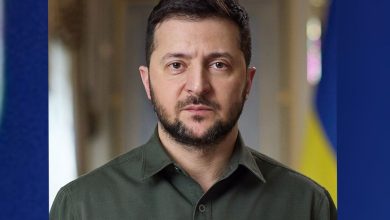
Behind closed doors, officials describe the result as the removal of a “Trojan Horse” within the EU and NATO councils. For Kyiv, the stakes of this transition could not be higher. While President Volodymyr Zelenskyy expressed readiness for “joint constructive work,” the relationship is expected to be more professional than passionate. Ukraine’s immediate gain is the likely unblocking of EU accession talks and long-term financial aid. However, Magyar remains relatively cautious regarding military transfers, emphasizing a “Hungary-first” approach that refuses to act as a representative for Ukrainian interests in Moscow.
ALSO READ: Péter Magyar Claims Historic Victory Over Viktor Orbán in Hungary’s 2026 Election
Armed with a super-majority mandate of 138 seats, Magyar now possesses the constitutional authority required to dismantle the previous administration’s framework. The European Union expects him to move first on anti-corruption measures and judicial independence—priorities that serve as the primary keys to unlocking approximately €18-20 billion in frozen EU funds. As Hungary embarks on this path of principled realism, the incoming government seems poised to mend its relationship with the European family while maintaining the bilateral channels it deems essential for its own national security.
Living Faith
Crusade 2026
Experience Three Powerful Days of Faith, Worship, and God's Word

📅 Date
September 24–26, 2026
📍 Venue
Rhema USA Campus, Broken Arrow, Oklahoma, USA