Russia Says It ‘Supports Iran’, Accuses West of Ignoring Who Started Conflict
Russian ambassador to the UK Andrey Kelin argues Western governments blame Tehran while overlooking claims that the United States and Israel initiated military action.

Russia Declares Support for Iran Amid Escalating Tensions
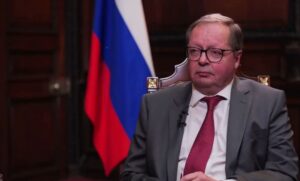
Russia has openly stated that it is not neutral in the ongoing tensions involving Iran, with Moscow’s ambassador to the United Kingdom, Andrey Kelin, saying the Kremlin is politically supportive of Tehran while criticizing what he described as Western bias in the narrative surrounding the conflict.
Speaking during a televised interview, Kelin said Russia believes the current framing of events by Western governments places disproportionate blame on Iran. According to the ambassador, Moscow sees the situation differently and argues that the sequence of events leading to the escalation is often overlooked in Western commentary.
“We are not neutral, we are supportive of Iran,” Kelin said, emphasizing that Russia’s stance reflects its broader view of developments in the region.
Criticism of Western Narrative
Kelin also questioned what he called the prevailing logic among Western governments, which he said tends to attribute responsibility for the crisis primarily to Tehran. In his remarks, the ambassador argued that the discussion in Western capitals frequently fails to acknowledge claims that military actions against Iran were initiated by the United States and Israel.
According to Kelin, Russia views the situation as one where Iran is responding to actions taken against it rather than acting as the initial aggressor. He described the current narrative as “unfair,” saying it ignores the full context of how the confrontation unfolded.
The comments reflect Moscow’s broader diplomatic approach, which has often criticized Western policies in the Middle East and called for alternative interpretations of regional conflicts.
Russia Calls for Diplomatic Resolution
Despite expressing support for Iran, Russian officials have repeatedly said that diplomacy remains the preferred path forward. Moscow has advocated for renewed negotiations and de-escalation measures aimed at preventing a wider regional crisis.
Russia has also warned that continued military escalation could further destabilize the Middle East and complicate international efforts to address sensitive issues such as nuclear oversight and regional security arrangements.
Analysts note that Russia’s public backing of Iran underscores the geopolitical divisions shaping international responses to the crisis, with major global powers offering sharply different interpretations of the events driving the confrontation.
As tensions remain high, diplomatic channels and international negotiations are likely to play a critical role in determining whether the conflict escalates further or shifts back toward dialogue.