Diplomatic Crisis Deepens as African States Weigh Retaliation Over South Africa Xenophobia
From Nigeria’s economic threats to emergency repatriations, Pretoria faces unprecedented pressure as neighbors demand an end to vigilante violence.

J
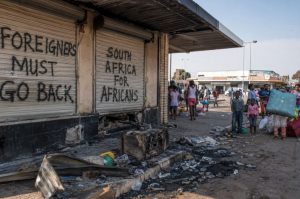
OHANNESBURG — A fresh wave of targeted violence against foreign nationals has ignited a diplomatic firestorm across the African continent, as South Africa’s neighbors shift from quiet concern to increasingly vocal demands for protection and legislative pressure. The latest surge in xenophobic sentiment, which escalated in late April 2026, has seen migrant-owned businesses looted and families evicted in Johannesburg, Cape Town, and the Eastern Cape, prompting a chorus of condemnation from the African Union and calls for economic retaliation from West African leaders.
The root of the current crisis remains a volatile mix of structural inequality and the rise of populist rhetoric. Local vigilante groups, operating under the banner of “reclaiming the economy,” have accused foreign nationals of straining public services and dominating the informal labor market. However, human rights monitors and economists argue that these groups are using migrants as scapegoats for a national unemployment rate that remains high at approximately 31.4% (Q4 2025), alongside crumbling infrastructure. The motive is increasingly political, as grassroots organizations leverage anti-migrant sentiment to gain local influence ahead of shifts in municipal policy.
ALSO READ: The Yerevan Pivot: Armenia and EU Formalize Strategic Shift Amid Russian Security Vacuum
South Africa’s political leadership remains under intense scrutiny regarding its response. President Cyril Ramaphosa has characterized the attacks as a betrayal of the nation’s history, stressing that while migrants must obey local laws, violence is an unacceptable breach of constitutional values.
As a nation that defeated colonialism and apartheid through international solidarity, we carry a responsibility to advance constitutional values beyond our borders.
— CYRIL RAMAPHOSA
In sharp contrast, Economic Freedom Fighters (EFF) leader Julius Malema has taken a more radical pan-Africanist stance, blaming the ruling party for failing to integrate African brothers. “You are attacking a Zimbabwean when the real thief is the one who stole the land and the mines,” Malema told supporters. “If you kick out the Africans, you are still going to be poor because your enemy is not the man from Nigeria, it is the system that keeps you in the dark.”
ALSO READ: Crude Politics: Trump’s High-Stakes Gamble in the Middle East to Save the GOP Majority
The continental response has been swift and stern. The Nigerian government has engaged in high-level diplomatic interventions, with Minister of State for Foreign Affairs Bianca Odumegwu-Ojukwu formally addressing the deaths of Nigerian nationals with her South African counterpart, Ronald Lamola. At least 130 Nigerians have already registered for voluntary repatriation, though the Nigerian government has clarified that those seeking to return must currently bear the travel costs themselves. In Abuja, the legislative response has been even sharper; members of the House of Representatives have recommended a review of bilateral relations, with some lawmakers calling for the suspension of operating permits for prominent South African companies like MTN and DStv as a retaliatory measure.
Other neighbors are following suit. Mozambique is expected to formally lodge complaints regarding the mistreatment of its citizens, including miners and their families, while Zimbabwe and Ghana have issued urgent safety warnings and summoned South African envoys to demand accountability. As the African Commission on Human and Peoples’ Rights warns that the violence violates the African Charter and the spirit of continental solidarity, the pressure on Pretoria to move beyond rhetoric is mounting. With civil society groups and regional lawmakers now calling on the Pan-African Parliament to address the “erosion of Ubuntu,” South Africa faces a growing isolation that threatens its standing as a continental leader. The coming weeks will determine if the government can restore order or if the fraying ties with its neighbors will lead to a permanent economic and diplomatic rupture.