Iran War Fuel Costs Fracture GOP Midterm Prospects
Trump's approval hits a presidency-low as gas and diesel prices squeeze voters ahead of November

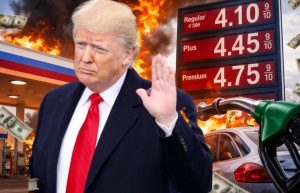
Washington — What began as a high-stakes foreign policy intervention in the Middle East has rapidly transformed into a serious domestic liability for the White House. As the military conflict with Iran drags on, the economic fallout is increasingly reaching American households, pushing energy prices higher and squeezing family budgets. With the upcoming midterm elections approaching, rising economic discontent is eroding the political standing of President Donald Trump and threatening to jeopardize Republican majorities in Congress.
The economic burden on consumers is increasingly measurable across key indicators. The national average for regular gasoline stood at $4.10 per gallon as of August 21, according to AAA, marking the highest level ever recorded for that date.
Commercial transportation costs have escalated sharply as well. A July 2026 analysis by the Joint Economic Committee (minority staff) estimated that higher diesel prices added approximately $1.4 billion to the cost of planting major U.S. crops — corn, soybeans, wheat, cotton and rice — compared with 2025, a roughly 63 percent increase.
Those costs have not eased since. Midwest on-highway diesel averaged $5.26 per gallon in early August, up nearly 39 percent from a year earlier, according to an Investigate Midwest analysis of federal energy data, leaving farmers facing decade-high fuel costs just as the fuel-intensive fall harvest begins. The persistent inflationary pressure is straining households and fuel-intensive sectors alike.
The persistent high prices are reflected in public opinion metrics. Public approval of President Trump’s overall performance fell to 33% in a recent national survey by Reuters/Ipsos — the lowest mark of his presidency — with 80% of respondents saying they expect the conflict with Iran to become prolonged. The same poll showed Democrats gaining an advantage over Republicans on handling the economy for the first time in roughly a decade.
Crucially, independent voters — whose support is essential in competitive elections — rank the economy, inflation and the cost of living among their most important concerns. The Gardner Food and Agricultural Policy Survey found affordability and food prices weighing heavily on midterm vote intentions across the political spectrum.
Gas prices specifically are compounding that unease. A May 2026 Winning the Issues survey found a majority of independents cited the economy — including inflation, gas prices and jobs — as their top concern heading into November.
If we lose the midterms, I am going to be impeached. They are going to impeach me. They have no idea why. So you’re going to lose everything. I’m going to have to go through impeachment.
— DONALD TRUMP, speaking at a campaign rally for Sen. Darline Graham at the Myrtle Beach Convention Center, South Carolina, on August 21, 2026
This dynamic poses a major challenge for congressional Republicans. Lawmakers running in tight Senate races and vulnerable suburban House districts are finding it difficult to defend the administration’s foreign policy while constituents face higher everyday expenses. With fuel costs remaining elevated, these economic pressures threaten to become a substantial electoral liability for Republican candidates in close swing seats that will determine control of Capitol Hill.
A major driver of this domestic pressure is the disruption of energy flows through the Strait of Hormuz, a vital choke point for global energy trade in the Persian Gulf. While U.S. Central Command reports assisting commercial vessels in the passage, maritime tracking data confirms that overall tanker flow through the strait remains constrained, maintaining upward pressure on global benchmark oil prices.
This environment leaves the administration facing a tight political timeline. To neutralize the issue before voters head to the polls, the White House must determine whether it can stabilize the Middle East, secure energy transit routes, and lower retail fuel costs. Without a clear resolution or exit strategy, the ongoing foreign crisis risks remaining a primary economic driver in the domestic political landscape through November.
Key indicators to monitor in the coming weeks include national average gasoline and diesel prices, global crude oil benchmarks alongside transit volume through the Strait of Hormuz, presidential approval ratings alongside generic ballot polling, and legislative positioning from vulnerable Republican incumbents in swing districts.
Living Faith
Crusade 2026
Experience Three Powerful Days of Faith, Worship, and God's Word

📅 Date
September 24–26, 2026
📍 Venue
Rhema USA Campus, Broken Arrow, Oklahoma, USA