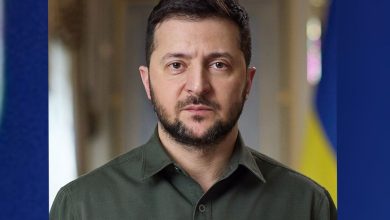
Magyar Ends Hungary’s Veto Era: Pro-EU Shift Begins as €90bn Ukraine Loan Moves Forward
Incoming Prime Minister Péter Magyar signals a "Third Way" strategy to restore relations with Brussels and unlock €18 billion in frozen funding while maintaining domestic fiscal caution.


B
UDAPEST — Following a seismic shift in the European political landscape, Hungary’s newly elected Prime Minister Péter Magyar has begun a high-stakes diplomatic maneuver to unlock billions in frozen EU funds while attempting to maintain a fragile domestic mandate. Just twenty-four hours after his landslide victory, Magyar confirmed that his government will no longer block a vital €90 billion EU loan package for Ukraine, though he signaled a strategic distance by stating Hungary “will not participate in the initiative” itself.
The announcement marks a sharp departure from the era of Viktor Orbán, whose “illiberal” resistance to Brussels led to the freezing of approximately €18 billion in subsidies and the permanent loss of an additional €2 billion in recovery grants. However, Magyar’s “support but not participate” stance highlights the complex tightrope he must walk. By removing the veto, he moves Hungary toward the “Super Milestones” required by the European Commission—which include sweeping anti-corruption checks and judicial independence—without alienating a domestic base that remains wary of foreign military involvement.
The era of using the veto as a hostage-taking tactic is over, but that does not mean Hungary will become a silent partner in every Brussels ambition.
— TRANSITION TEAM SOURCE
The financial stakes are staggering. Beyond the Ukraine loan, Hungary is currently hemorrhaging €1 million per day in fines related to migration law violations, a penalty Magyar must resolve to stabilize the national budget. This pragmatic “Third Way” is already being tested as diplomats in Brussels and Warsaw weigh whether Magyar is a genuine reformer or simply a more sophisticated version of his predecessor.
A significant hurdle remains in the “culture war” legislation that defined the Orbán years. The EU continues to demand the reversal of the 2021 Child Protection Act and a total overhaul of public procurement transparency. While Magyar has expressed a readiness to discuss these “future colleagues” in the EU, he faces a bureaucracy still populated by a decade of loyalist appointees. “Magyar has inherited a house with locked doors and missing keys,” said one regional analyst.
ALSO READ: Hungary’s New Era: Péter Magyar Signals Pro-EU Pivot Tempered by Russian Realism
The transition has also reignited familiar rhetoric, with outgoing officials framing the election results as a victory for foreign networks. Magyar has dismissed these claims, positioning himself as a conservative pragmatist focused on economic survival rather than ideological crusades. As the August deadline for fund expiration looms, the world is watching to see if Magyar’s diplomatic ambiguity can turn into the concrete legislative action required to bring Hungary back from the periphery of the European Union.
Living Faith
Crusade 2026
Experience Three Powerful Days of Faith, Worship, and God's Word

📅 Date
September 24–26, 2026
📍 Venue
Rhema USA Campus, Broken Arrow, Oklahoma, USA