Namibia Achieves Zero-Debt Status with IMF Following Final COVID-era Repayment
Windhoek transitions to domestic-led fiscal strategy after clearing pandemic-era obligations and $750 million Eurobond.

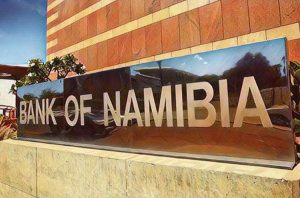
WINDHOEK — Namibia has repaid all outstanding obligations to the International Monetary Fund (IMF), with no outstanding IMF credit as of late April 2026, according to the Fund’s financial data portal. The final payment of $23.88 million closed out the country’s Rapid Financing Instrument (RFI) loan, which was disbursed during the COVID-19 pandemic to address urgent balance-of-payments needs.
With no IMF credit outstanding, Namibia exits IMF emergency borrowing tied to the pandemic period on a markedly stronger fiscal footing. Rather than a one-off windfall, the repayment reflects a multi-year consolidation strategy anchored by a dedicated redemption sinking fund. By channeling receipts from the Southern African Customs Union (SACU), a major source of fiscal revenue, the government accumulated over $444 million in reserves. This buffer enabled the clearance of IMF obligations after the successful redemption of a $750 million Eurobond in late 2025.
Financial authorities in Windhoek point to a deliberate shift in debt management policy during this period. Namibia has steadily increased its reliance on domestic financing, sourcing roughly 70% of its requirements from local markets through fixed-rate and inflation-linked instruments. This “internalization”—a shift toward domestic financing—has reduced exposure to exchange-rate volatility, particularly U.S. dollar movements, while lowering vulnerability to external shocks.
“The successful repayment marks a significant transition for our national economy; we are moving from a period of emergency survival toward a phase of strategic, self-sustained investment.”
— Senior Official at Namibia’s Ministry of Finance
Revenue reforms have also played a central role in this recovery. The Namibia Revenue Agency (NamRA) expanded its digital tax administration to improve compliance, strengthening cash flow for debt servicing. On the expenditure side, fiscal consolidation—including tighter civil service wage bill controls and reforms to public sector medical spending—helped contain recurrent costs. As a result, government data indicate that Namibia’s external debt share has fallen from nearly 40% to about 15%, with domestic liabilities now constituting the majority of the debt portfolio.
Looking ahead, authorities signal a calibrated borrowing strategy that prioritizes concessional financing from multilateral institutions like the African Development Bank (AfDB) over commercial debt. Future borrowing will be strictly tied to high-impact infrastructure in sectors such as green hydrogen and logistics—key pillars of Namibia’s export-led industrial strategy—consistent with the government’s target of maintaining a budget deficit at or below 3% of GDP.
While the IMF balance sheet has been cleared, Namibia’s next phase hinges on sustaining fiscal discipline while translating fiscal stability into sustained, investment-led growth. The government is now shifting its focus toward attracting foreign direct investment and advancing structural reforms required to exit enhanced monitoring regimes, such as the Financial Action Task Force (FATF) grey list, by the end of the year.