South Africa Faces Unprecedented Diplomatic and Economic Backlash Across Africa Over Anti-Immigrant Tensions
Continental Solidarity Fractures as Neighboring Nations Retaliate Against Perceived Xenophobia, Hitting Creative Industries, Corporate Brands, and National Pride

J
OHANNESBURG — South Africa is confronting an unprecedented diplomatic and economic backlash across the African continent following a resurgence of anti-immigrant tensions and localized violence. The deepening regional friction has breached traditional pan-African solidarity, manifesting in growing cancellations of South African creative engagements, consumer pushback against multinational corporate brands, and a highly visible public demonstration of continental disapproval during the 2026 FIFA World Cup. The crisis represents a severe test of South Africa’s economic and cultural leadership, as neighboring nations increasingly retaliate against what they perceive as a hostile environment for foreign nationals.
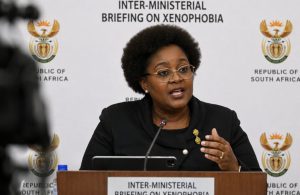
The scale of the fallout was brought to light following rare public admissions from within the South African government. Minister of Justice and Constitutional Development Mmamoloko Kubayi acknowledged during a media briefing that the country is facing a severe continental backlash over perceptions of xenophobia. The minister warned that the nation’s image is suffering severe external brand damage, directly penalizing two core pillars of South Africa’s regional influence: its local creative industry and its multinational businesses operating across Africa. According to Kubayi, the government has been forced to step up diplomatic engagements and consular services to protect South African entities facing hostility abroad.
We can’t lie about the backlash, and that is why part of the work that we are doing as government, as well through DECO, is engagement with businesses abroad, South African companies abroad.
The impact on South African artists, who have historically relied on cross-border live events in lucrative markets like Nigeria, Ghana, and East Africa for the bulk of their touring revenue, has been immediate and severe. International promoters and festival organizers across the continent are actively distancing themselves from South African talent to protest the treatment of regional migrants. Minister Kubayi disclosed that at least one entertainer had approached her personally after having all her continental gigs abruptly scrapped — an immediate loss of income, the minister said — while warning that many South African artists performing across Africa are facing similar cancellations. In one documented instance, organizers of the Likoma Island Festival in Malawi suspended negotiations with a South African performer who was being considered for this year’s event, citing concerns over xenophobic attacks — a gesture the festival described as an act of continental solidarity.
ALSO READ: Diplomatic Crisis Deepens as African States Weigh Retaliation Over South Africa Xenophobia
Beyond the entertainment industry, the economic friction threatens South Africa’s wider corporate footprint. Multinational South African brands operating in regional markets are facing growing consumer boycotts and public hostility, complicating long-standing trade relationships. The underlying diplomatic strain has been further exacerbated by the actions of several neighboring governments. Citing urgent safety concerns, countries such as Ghana, Nigeria, and Malawi have recently executed evacuations and repatriations of hundreds of their citizens from South African urban centers, severely staining formal diplomatic relations and fueling a broader public boycott movement.
This shifting continental sentiment found its most striking expression in the sporting arena during South Africa’s opening match against Mexico at the 2026 FIFA World Cup. In a stark departure from the traditional regional alignment where African nations rally behind continental representatives on the global stage, soccer fans from countries like Nigeria, Ghana, and Zimbabwe openly and enthusiastically celebrated Mexico’s 2-0 victory over Bafana Bafana. South Africa’s captain Ronwen Williams addressed the continental divide head-on after the final whistle. “Africans have always supported other African countries in every World Cup tournament, but I can’t figure out why our own case is different,” Williams said. “Many Africans supported Mexico, not us, the South Africans. We almost shed tears, but it’s truly sad.”
On the ground in Cape Town, community interviews conducted by field reporters reveal the same fault lines playing out at the regional level. South African women spoken to expressed concern that attacks and intimidation directed at foreign nationals were destabilizing local businesses and undermining household economies. Foreign nationals from multiple African countries described fear, uncertainty, and growing anxiety about the security of their investments. A Nigerian national captured the continental dimension plainly: “Our belief in one Africa is being challenged here in South Africa — it’s a wake-up call for all African countries to remember what South Africa was when it needed us, and what it is today.”
The South African government maintains a firm stance that its recent string of law enforcement crackdowns, sweeps, and mass evacuations are strictly targeted at managing undocumented immigration and enforcing regulatory compliance rather than being fueled by xenophobia. However, officials admit they can no longer ignore the severe external retaliation and tangible economic costs being borne by South Africans abroad. As regional populations continue to view domestic immigration enforcement through the lens of anti-migrant sentiment, Pretoria faces a complex strategic dilemma: maintaining its internal border policies while trying to repair the deep structural and cultural fractures now separating it from the rest of the continent.