The Strait of Hormuz Reopens: Global Markets Rally as Iran Ends Maritime Blockade Under Fragile Truce
Oil prices plunge as commercial traffic resumes through the world’s most critical chokepoint, though conflicting reports over frozen funds and ceasefire deadlines keep the industry on high alert.

T
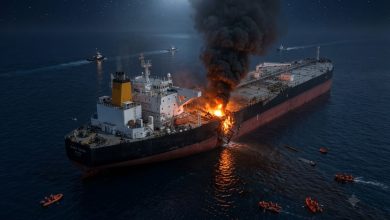
he official reopening of the Strait of Hormuz today, April 17, 2026, has sent a wave of cautious relief through global markets, though the long-term stability of the world’s most vital energy artery remains tethered to a fragile diplomatic clock. Following an announcement by Iranian Foreign Minister Abbas Araghchi, the waterway is once again permitting the passage of commercial vessels, a move strategically timed to coincide with a 10-day ceasefire in Lebanon between Israel and Hezbollah.
The impact was instantaneous on the global stage, with oil prices plummeting over 10% in a single session and major indices on Wall Street rallying as the threat of a prolonged energy blockade receded. Foreign Minister Araghchi clarified that while the waterway is open for all commercial shipping for the remainder of this ceasefire period, he pointedly noted that the ban on military vessels remains in effect.
The waterway is open for all commercial shipping for the remainder of this ceasefire period.
— ABBAS ARAGHCHI
Despite the surge in maritime activity, the opening carries a heavy asterisk of uncertainty as the current truce is legally scheduled to expire on April 22, 2026. This leaves shipping firms with a narrow five-day window of guaranteed passage, creating a race for logistics providers to move critical cargo before the deadline.
ALSO READ: U.S. Deploys “Surgical Squeeze” in Strait of Hormuz, Targeting Iran-China Oil Trade
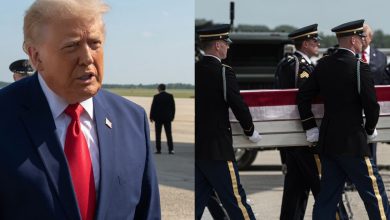
While President Donald Trump took to social media to claim a historic victory, asserting that Iran has agreed to “never close the Strait of Hormuz again,” the rhetoric coming out of Tehran remains far more conditional. State-affiliated outlets have already signaled that any return to a U.S. naval blockade on Iranian ports would result in an immediate reassessment of the Strait’s status.
This disconnect highlights the high-stakes nature of the upcoming negotiations in Pakistan, where diplomats hope to parlay this temporary reprieve into a “Phase 2” 45-day extension. The goal is to establish a permanent maritime security framework that would decouple energy transit from regional military conflicts.
Adding to the complexity is a burgeoning controversy over a reported multi-billion dollar “ransom” that the U.S. has allegedly paid to secure the opening. A Reuters report citing senior Iranian officials suggests that the Biden-Trump transition framework agreed to release $6 billion in frozen Iranian funds currently held in Qatari accounts as a show of good faith.
However, the White House has moved aggressively to debunk this narrative, with President Trump characterizing the report as “total fiction” and “Iranian propaganda.” The administration maintains that the reopening was a prerequisite for peace talks rather than a financial concession, and independent financial monitors have yet to confirm any movement of funds.
The physical security of the channel also remains a work in progress as reports indicate a joint effort to clear sea mines laid during the height of the hostilities. The International Maritime Organization has advised tankers to stick strictly to “coordinated routes” established by Iran’s Ports and Maritime Organization to avoid lingering hazards.
As the world watches the Pakistan talks this weekend, the ultimate fate of the Strait remains undecided; for now, the global economy is breathing a sigh of relief. As one maritime intelligence analyst noted, “We are seeing ships move, but they are moving with extreme caution,” signaling that while the gates are open, the shadow of conflict has not yet fully dissipated.